• training tips
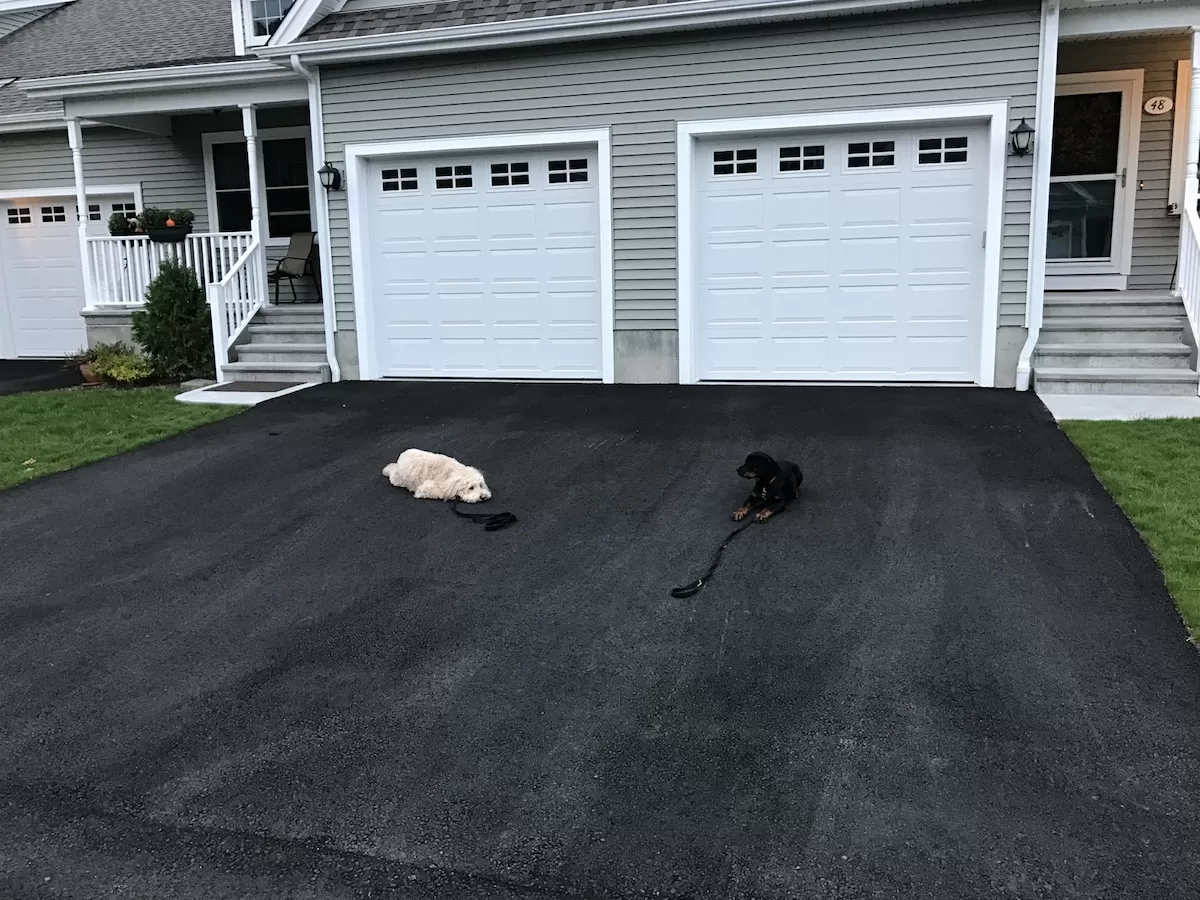
A puppy does not need the run of the house to feel loved. In fact, when you establish puppy household boundaries early, you give your dog something far more valuable than freedom: clarity. Clear rules reduce the frantic pacing, shoe stealing, jumping, barking at every sound, and constant testing that can turn a joyful new puppy into a daily source of stress.
The goal is not to make your puppy timid or overly controlled. The goal is to raise a dog who can relax in the home, respect people and property, and handle more freedom as they prove ready for it. That takes calm leadership and consistent follow-through, not a pocket full of treats or a different rule from every member of the family.
Why Puppies Need Structure Before Freedom
Puppies are always learning, including when nobody is actively training them. If your puppy is allowed to rush through doorways, climb on furniture whenever they choose, demand attention by pawing or barking, and patrol the kitchen during meals, those habits become normal. What looks cute at 10 weeks old can become exhausting at 10 months old.
Boundaries are not punishment. They are the predictable limits that tell a puppy what works in your household. A puppy who knows where to settle, when to wait, and how to move calmly around people does not have to guess. That certainty builds emotional balance.
This matters even more in busy homes. Children running through the hallway, delivery drivers at the door, guests arriving for dinner, and another pet resting on the couch all create opportunities for a puppy to rehearse chaos. Without direction, most puppies will choose excitement. With structure, they learn that calm behavior opens the door to everyday privileges.
Start by Deciding the Household Rules
The fastest way to create confusion is to make rules based on mood. If the puppy is welcome on the couch on Friday night but yelled at for getting on it Saturday morning, the problem is not stubbornness. The rule was never clear.
Before training begins, decide what life with your adult dog should look like. Will your dog be allowed on furniture? Are bedrooms open or off-limits? Should your puppy wait before going outside? Is greeting visitors calmly required? There is no single correct answer for every family. The standard is consistency.
If you want your dog on the couch, that can be perfectly reasonable. The boundary may be that your dog comes up only when invited and gets down when asked. If you prefer furniture-free living, maintain that rule from the start. Do not make exceptions because your puppy looks disappointed. Dogs do not need democratic access to every room to be happy. They need fair, understandable expectations.
Give Each Family Member the Same Job
A puppy cannot follow a household plan that the household does not follow. Agree on the words you will use, the rooms that are available, and what happens when the puppy breaks a rule. Keep corrections calm and immediate. Then show the puppy what to do instead.
For example, if your puppy races toward the front door when the bell rings, do not repeat "off" from across the room while the behavior continues. Move the puppy away, place them in a designated spot, and insist on calmness. Everyone should handle that moment the same way.
Establish Puppy Household Boundaries With P.R.I.M.E.
At Best Buddy Dog Training, we use the P.R.I.M.E. framework to help families bring order to the moments that shape behavior: Proximity, Resources, Interactions, Movement, and Elevation. These are not tricks. They are the practical parts of daily life where puppies learn either self-control or entitlement.
Proximity means your puppy does not need to be pressed against you every moment of the day. Constant shadowing can create a puppy who struggles to settle alone. Build quiet separation in a crate, pen, or place bed while you work nearby, cook dinner, or move through the house.
Resources include food, toys, chews, furniture, and access to people. Your puppy should learn that good things come through calm behavior, not frantic demands. Ask for a brief pause before setting down the food bowl. Put a toy away if play becomes wild or mouthy. Correct the puppy when jumping starts, then offer affection when all four paws are on the floor.
Interactions are the greetings, play sessions, and attention your puppy receives. A puppy does not need to greet every person, dog, or child who enters their space. Calm, supervised interactions prevent the belief that every sighting is an invitation to explode with excitement.
Movement covers doors, stairs, sidewalks, vehicles, and transitions around the house. Teach your puppy to pause before moving through a doorway and to follow your direction rather than dragging ahead. This is the foundation of a dog who can walk calmly through a busy neighborhood instead of pulling toward every distraction.
Elevation refers to beds, couches, chairs, and other raised spaces. Elevation is not automatically a problem, but access should be deliberate. If your dog is allowed on furniture, make it a privilege connected to calm behavior and your invitation.
Use Management While Your Puppy Learns
Freedom should be earned in stages. A puppy who chews table legs, raids the trash, or urinates behind the sofa does not need more chances to practice those choices. They need closer supervision and a better setup.
Use closed doors, a crate, a puppy pen, and a leash indoors when needed. These tools are not replacements for training. They prevent mistakes while you teach the right behavior. A properly introduced crate can become a calm resting space, not a place where a puppy is sent away in anger.
House training is a good example. Take your puppy out on a reliable schedule, supervise closely after meals and naps, and reward success with calm praise and access to normal life. If you find an accident later, you missed the teaching moment. Clean it thoroughly and tighten management rather than scolding a puppy who cannot connect your frustration to something that happened minutes ago.
Teach Calm at the Moments That Matter
Many owners focus on commands in a quiet living room but overlook the daily pressure points. Those pressure points are where boundaries become real.
Practice a calm wait before meals, before going outside, and before greeting guests. Ask your puppy to settle on a bed while the family eats. Do not allow rough play to spill into biting hands, leaping on children, or charging through the house. Interrupt the behavior early, lower the excitement, and redirect the puppy to a calm activity.
Your timing matters. Waiting until a puppy has been barking, jumping, or pulling for five minutes makes the correction feel random. Step in at the first sign that your puppy is escalating. Correction given early is more effective than loud frustration after the situation has already fallen apart.
Treats can be useful during early teaching, but they should not become a bribe your dog requires to listen. A dog should learn to respond because the expectation is clear and the relationship is trustworthy, not because food appears every time you say a word. Real obedience needs to hold up when your hands are empty, guests are present, and life is moving fast.
Avoid the Boundary Mistakes That Create Bigger Problems
The most common mistake is accidental reinforcement. Owners laugh when a puppy jumps, pet them to stop barking, or hand over a chew after demand whining. From the puppy’s perspective, the behavior worked.
Another mistake is giving too much freedom too soon. Your puppy may be friendly, smart, and adorable, but none of that means they are ready to roam the home unsupervised. More space should follow a pattern of reliable choices, not your hope that this time will go differently.
Finally, avoid turning every correction into conflict. You do not need to yell, chase, or physically overpower a puppy to set a rule. Be clear, be immediate, and be consistent. Correct the puppy for the wrong choice, show the right one, and follow through every time.
When Your Puppy Needs More Than Basic Rules
Some puppies bring bigger challenges into the home: intense guarding around food or toys, panic when separated, severe biting, relentless barking, or early reactivity around people and dogs. Waiting for a puppy to "grow out of it" can allow the behavior to become more established.
This is where personalized professional guidance matters. A qualified trainer will evaluate the puppy, the home environment, family routines, and the specific behavior rather than handing you generic advice from a group class. The right plan will create practical change where you need it most: at the front door, on the sidewalk, around your children, and during an ordinary Tuesday evening at home.
A well-raised puppy is not one who never has energy or curiosity. It is one who learns that calm cooperation is part of family life. Set the rules now, enforce them fairly, and give your puppy the steady leadership that lets them grow into a dog you can confidently live with anywhere.
Who you are to your dog is EVERYTHING
Shawn Hines
Dog Trainer, Best Buddy Dog Training
Comments
You must be logged in to leave a comment.
Log In Register