by Shawn Hines • • training tips
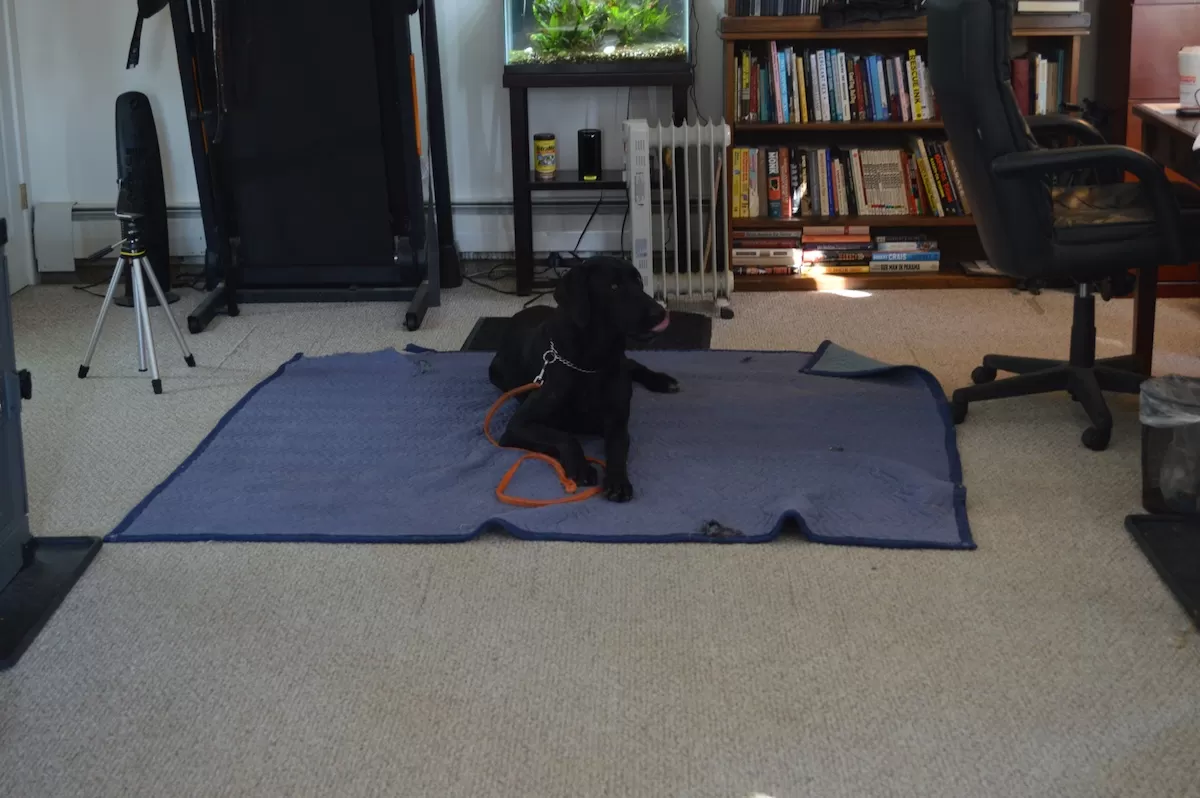
A dog rarely goes from perfectly fine to explosive without communicating first. The problem is that many families miss the early canine stress signals because they are subtle, brief, or mistaken for stubbornness, excitement, or a quirky habit. Then the dog barks at a guest, lunges at another dog, snaps during handling, or melts down when left alone - and everyone wonders where it came from.
Stress is not bad behavior. It is information. Your dog is telling you that something in the environment, routine, relationship, or expectation feels difficult to handle. When owners learn to read that message early, they can intervene before stress turns into a bigger behavioral problem.
What Canine Stress Signals Actually Look Like
Not every stressed dog looks frightened. Some become still and quiet. Others get busy, wild, mouthy, loud, or impossible to settle. Breed, temperament, past experiences, health, and the situation all matter. A young, social dog may bounce and pull when overwhelmed. A more reserved dog may freeze, avoid eye contact, or retreat behind a family member.
Common early signals include lip licking when there is no food present, yawning when the dog is not tired, turning the head away, showing the whites of the eyes, lowering the body, tucking the tail, pinning the ears back, or suddenly sniffing the ground. You may also see a dog shake off as though wet, scratch without an obvious itch, pace, pant in a cool room, or refuse a familiar cue.
These behaviors do not automatically mean your dog is distressed. A yawn can simply be a yawn. Panting can follow exercise. Context is what gives a signal meaning. If your dog licks his lips when a child hugs him, looks away when strangers reach over his head, and leaves the room when guests arrive, the pattern deserves attention.
Stronger signals are harder to ignore: growling, barking, lunging, air snapping, hiding, shutting down, or trying to flee. Don't punish the warning just because it makes you uncomfortable. A growl is communication, not defiance. Correcting the growl may be necessary, but it's not fair to correct it without understanding the discomfort or pressure that provoked it. In many cases, removing the dog or the cause is the best option. Of course, that doesn't mean you will always remove the dog or the cause; being aware and prepared to solve the issue lets you act in the best way for everyone involved.
Why Stress Gets Misread at Home
Many behavior problems start with well-meaning families asking too much of a dog that hasn't learned how to handle pressure. The dog is allowed to charge the front window, rush every visitor, pull toward every dog on a sidewalk, claim the couch during tense moments, or follow family members from room to room. Those habits can keep a dog emotionally elevated all day.
Owners often label this as love, protection, or high energy. But a dog who believes he must monitor every sound, movement, visitor, and passing dog is carrying a job he is not equipped to perform. That pressure can produce barking, reactivity, possessiveness, separation issues, and an inability to relax.
Treats can be useful in specific training moments, but they do not create emotional balance on their own. If your dog can only cope when food is visible, the underlying issue has not been resolved. The same is true of equipment that suppresses a reaction without teaching the dog what calm behavior should look like. A dog needs clear direction, fair boundaries, and a relationship where the human handles the decisions.
Watch for Stress in Everyday Situations
The most useful observation happens during ordinary life, not only when your dog is in a formal training session. Notice what changes right before behavior changes.
At the door and around visitors
A dog who explodes when the doorbell rings may be stressed long before a visitor steps inside. Watch for intense staring through windows, pacing when cars pull up, racing from room to room, or refusing to disengage from outside noise. When guests enter, repeated jumping, frantic licking, circling, and nonstop barking are often signs of over-arousal, not friendliness.
Your dog does not need to greet every person who enters your home. A calm dog can remain on a designated place, observe quietly, and be released when he is truly settled. That structure is not cold or restrictive. It is often a relief for a dog who has been put in charge of the front door.
On walks
Leash reactivity is commonly misunderstood. A dog may lunge because he is afraid, frustrated, overstimulated, socially pushy, or used to controlling where the walk goes. The reason matters, but the immediate picture is similar: the dog is no longer thinking clearly.
Early stress signs on walks include locking onto another dog, closing the mouth, leaning forward, speeding up, ignoring familiar cues, scanning constantly, or taking treats roughly. Waiting until the bark and lunge to respond is waiting too long. Create distance when needed, regain your dog’s attention, and move with purpose rather than dragging him toward the trigger in the name of socialization.
Around children, food, and resting spaces
Dogs need protection from pressure in the home, especially around meals, chews, beds, crates, and sleep. A dog who stiffens when approached while resting is communicating. A dog who leaves the room when children become loud is making a good choice. Respect those choices while also establishing household rules that prevent children and guests from crowding the dog.
Never demand affection from a dog who is trying to create space. Teach children to invite interaction, read the dog’s response, and walk away when the dog disengages. Management is not a failure. It is responsible leadership while training and confidence-building take place.
What to Do When You See Stress Signals
Your first job is to recognize the pressure. If it's reasonable (and possible), increase distance from whatever is overwhelming him, reduce the chaos, and avoid repeated commands he is too activated to follow. A frantic “sit, sit, sit” does not create calm. It teaches the dog that words have no meaning when life gets hard.
Then look honestly at the pattern. Is your dog getting enough physical exercise and, just as importantly, enough mental quiet? Is he sleeping well? Is he constantly supervising the household? Are family members consistent, or does each person enforce different rules? Has he been gradually prepared for the situations you expect him to handle?
At Best Buddy Dog Training, we use the P.R.I.M.E. framework - Proximity, Resources, Interactions, Movement, and Elevation - to evaluate the daily patterns that influence behavior. This is not about dominating a dog or micromanaging every moment. It is about helping the dog understand that the adults control access, movement, space, and decisions. P.R.I.M.E. also gives the humans a way to understand, control, and even predict dog behavior.
For example, a dog who becomes anxious when guests arrive may benefit from structured placement, and consistent follow-through instead of being allowed to rehearse frantic greetings. A dog who guards furniture may need clear rules around elevated spaces and a better pattern for resting. A dog who pulls and reacts on walks may need to stop making every directional decision before he can learn to move calmly beside his handler.
When Stress Calls for Professional Help
Do not wait for a bite, a serious dog fight, or a complaint from a neighbor before getting help. Professional guidance is appropriate when stress leads to growling, snapping, resource guarding, intense reactivity, separation distress, aggression, or a dog who cannot settle in normal daily situations.
A sudden change in behavior also warrants a veterinary conversation. Pain, thyroid concerns, neurological changes, hearing loss, vision changes, and other medical issues can affect tolerance and behavior. Training should never ignore health.
The right trainer should assess the whole dog and the whole household. Beware of anyone who promises to solve every issue with a bag of treats, one piece of equipment, or a scripted group-class routine. Real behavior change requires clear communication, repetition, accountability, and a plan that works in your living room, on your street, and around the distractions that actually challenge your dog.
Your dog does not need a perfect life free from every stressful moment. He needs capable guidance through those moments. When you recognize stress early and respond with calm, assertive leadership and structure instead of chaos, you give your dog a better chance to feel safe, make better choices, and enjoy the peaceful family life you wanted together.
Who you are to your dog is EVERYTHING
Shawn Hines
Dog Trainer, Best Buddy Dog Training
Comments
You must be logged in to leave a comment.
Log In Register