by Shawn Hines • • training tips
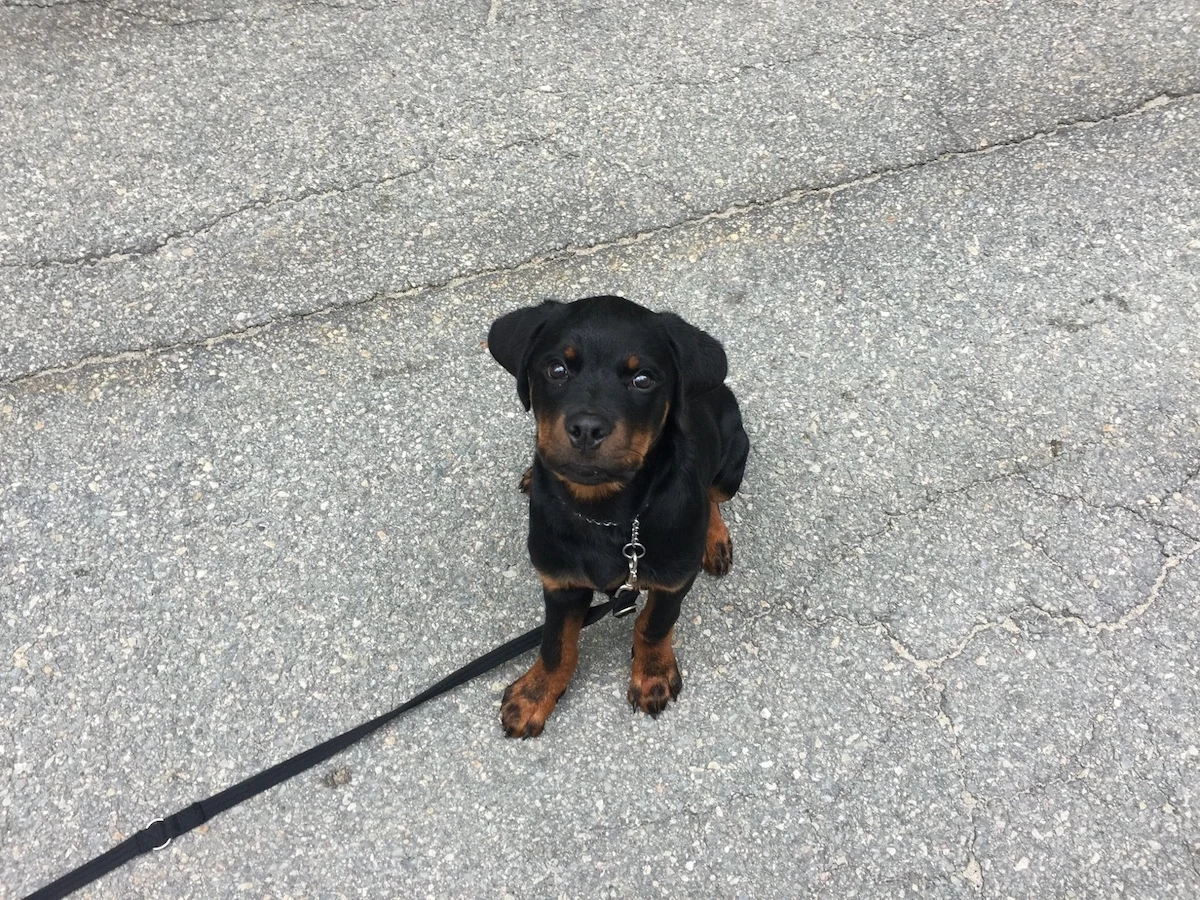
A puppy who pees on the rug at 6:15 a.m. is not being spiteful, stubborn, or "bad." He is usually telling you something much simpler: nobody has clearly managed where, when, and how he is expected to go. Learning how to housebreak a puppy is less about finding a magic phrase or carrying treats in every pocket and more about building a routine your puppy can understand before he has the freedom to make costly mistakes.
Housebreaking should create more than dry floors. Done correctly, it teaches a young dog to settle, follow direction, respect boundaries, and look to the family for guidance. Done loosely, it creates a puppy who rehearses accidents, wanders the house unsupervised, and learns that relieving himself indoors is sometimes acceptable.
How to Housebreak a Puppy With Structure
The fastest path to reliable housebreaking is prevention. Every indoor accident gives the puppy another opportunity to practice the wrong habit. You cannot explain that mistake away after the fact. You need to control the environment well enough that the right choice becomes the normal one.
For the first several weeks, your puppy should be in one of three places: outside at the designated bathroom area, directly supervised with you, or resting in a properly sized crate or confined puppy-safe space. "Directly supervised" does not mean you are answering emails while the puppy disappears behind the couch. It means you can see him, interrupt him if necessary, and guide him immediately.
A crate is not punishment, and it is not a place to store a puppy all day. It is a practical tool for rest, safety, and housebreaking when used fairly. Most puppies prefer not to soil a clean sleeping area, which makes a crate useful between bathroom trips. The crate should be large enough for your puppy to stand, turn around, and lie down comfortably, but not so large that one end becomes a bathroom and the other a bedroom.
Families often make housebreaking harder by giving a new puppy full access to the home too soon. A puppy does not earn freedom because he is cute, tired, or accident-free for one afternoon. He earns it through a consistent pattern of clean behavior under supervision.
Set a Bathroom Schedule You Can Keep
Young puppies have limited bladder control. At first, they need frequent, predictable trips outside. Take your puppy to the same general outdoor location after waking up, after eating or drinking, after play, after training, after time in the crate, and before bed. During active periods, many young puppies also need a trip every 30 to 60 minutes.
Age matters, but no formula replaces observation. A calm 12-week-old puppy may rest for longer than a busy 12-week-old puppy who has been wrestling with the kids, drinking water, and racing through the living room. Watch the dog in front of you. Sniffing, circling, suddenly wandering away, or losing focus during play can all signal that it is time to go out.
Bring the puppy out on leash, even in a fenced yard. This keeps the trip purposeful. If you let him run free immediately, he may play, chew leaves, and forget why he came outside. Stand quietly in the bathroom area and give a simple cue such as "do business." Once he finishes, calmly acknowledge the right decision, then give him a few minutes to sniff, explore, or play. That sequence matters: bathroom first, freedom second.
If he does not go within several minutes, do not give him a long unsupervised indoor break and hope for the best. Bring him back inside for a short period of close supervision or crate rest, then try again. This is not harsh. It is clear.
Do Not Let Potty Pads Create Mixed Rules
Potty pads are convenient for people, not necessarily helpful for the end goal. They can teach a puppy that it is acceptable to relieve himself on soft, absorbent material indoors. Rugs, bath mats, blankets, and piles of laundry can quickly become fair game in the puppy's mind.
There are exceptions. An owner in a high-rise building, a person with a medical limitation, or a family navigating extreme weather may need an indoor option temporarily. If that is your situation, be honest about the trade-off: moving from pads to outdoor elimination will require a deliberate transition. Do not expect a puppy to automatically understand why yesterday's approved indoor bathroom is suddenly forbidden.
For most homes, one consistent rule is easier for everyone: bathroom behavior happens outside.
What to Do When an Accident Happens
Your response depends entirely on timing. If you catch your puppy beginning to squat indoors, make a brief, neutral interruption, then calmly take him outside. Do not scream, chase him, rub his nose in it, or turn a simple training mistake into a frightening event. If he finishes outside, let the moment end quietly and continue the routine.
If you find an accident after it happened, say nothing to the puppy. He cannot connect your frustration to something he did minutes earlier. Clean the area thoroughly with an enzyme-based cleaner so lingering odor does not invite a repeat performance, then examine the management failure. Was he given too much room? Did someone miss a scheduled trip? Was play too exciting before he had a chance to go out?
That honest review is where progress comes from. Housebreaking is not won by reacting dramatically to accidents. It is won by making them increasingly rare.
Generally, Don't Use Food as a Reward
Use warm verbal praise, access to the yard, play, attention, and the natural relief of getting outside as part of the reward picture. Food can help at the beginning, but reduce the dependency as the behavior becomes reliable. A dog should be able to toilet appropriately whether you have treats on hand or not.
This same principle applies to correction. Clear guidance does not require intimidation or electronic collars. It requires timing, calm follow-through, and a household willing to set boundaries consistently. Puppies thrive when the adults stop negotiating every decision.
Align the Whole Household
One person taking the puppy out every hour cannot overcome three other people leaving doors open, missing signals, or allowing free roaming after dinner. Write down the feeding, bathroom, crate, and bedtime schedule for the first few weeks. It may feel overly organized, but that organization prevents the resentment that develops when accidents keep happening.
Children should be taught a simple rule: if the puppy is loose, an adult must be actively watching him. They can help with supervised trips outside, but they should not be responsible for noticing every early signal from a young dog.
At Best Buddy Dog Training, this kind of household clarity is part of the work. A puppy's behavior is shaped by proximity, resources, interactions, movement, and elevation - the P.R.I.M.E. framework that helps families see the everyday patterns their dog is learning from.
When Housebreaking Is Taking Too Long
Most puppies show meaningful progress within a few weeks when the schedule and supervision are consistent. Full reliability takes longer. Expect setbacks during growth spurts, travel, schedule changes, exciting visitors, or the transition from a confined space to more freedom.
Call your veterinarian if your puppy is urinating unusually often, straining, drinking dramatically more water, having diarrhea, or suddenly regressing after doing well. A urinary tract infection, digestive issue, or other medical concern can look like a training problem.
If health is not the issue and accidents continue, tighten the plan rather than repeating commands louder. Reduce unsupervised freedom, shorten the time between trips, return to leash supervision, and make sure every family member follows the same rules. Consistency is not glamorous, but it is what produces a dog who can relax in your home, visit family without drama, and eventually enjoy the freedom he has earned.
Your puppy does not need a perfect owner. He needs a calm, observant leader who makes the right choice easy enough to repeat every day.
Who you are to your dog is EVERYTHING
Shawn Hines
Dog Trainer, Best Buddy Dog Training
Comments
You must be logged in to leave a comment.
Log In Register