• training tips
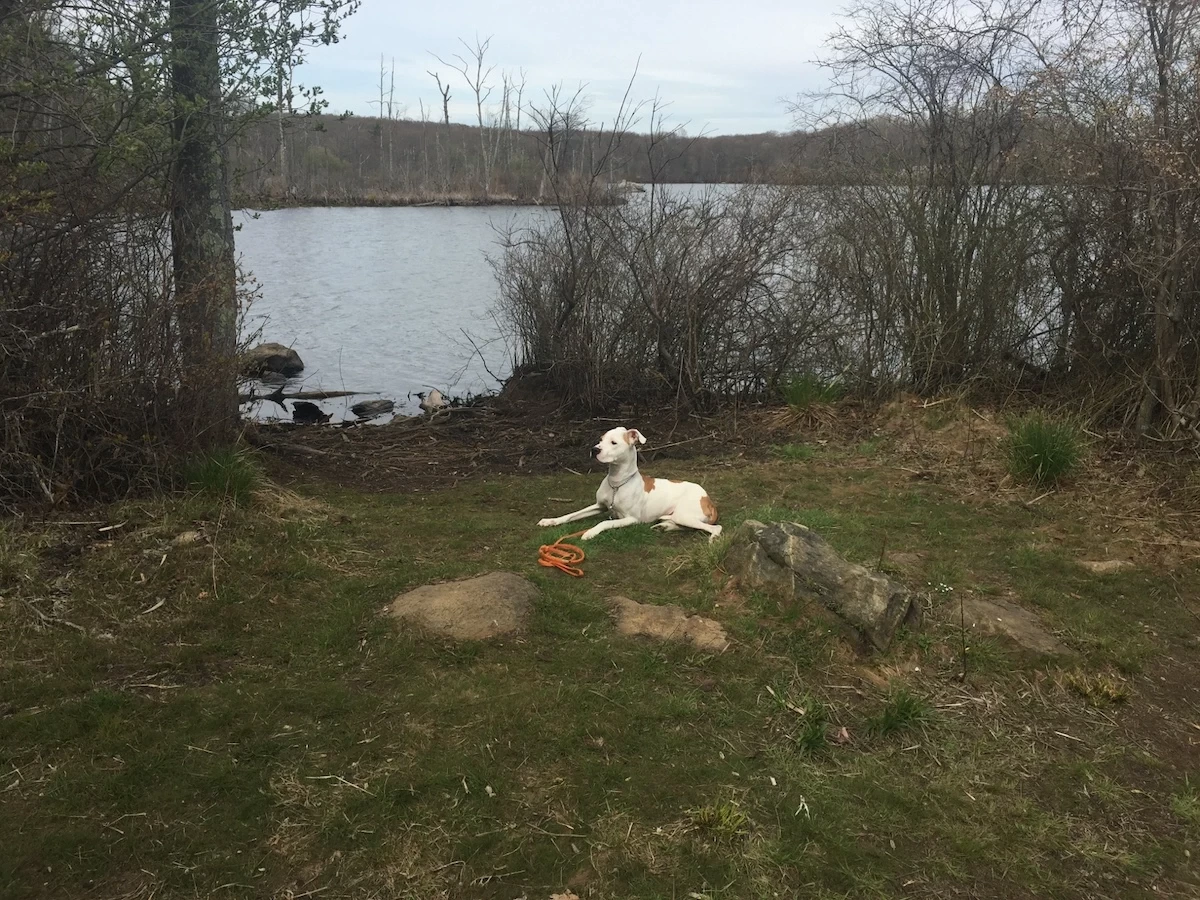
A dog with separation anxiety does not simply miss you. He may pace before you pick up your keys, bark the moment the door closes, chew through a crate, scratch at windows, or have accidents despite being housebroken. For families, the problem quickly becomes bigger than a noisy goodbye. It affects workdays, neighbors, travel, and the peace you should feel in your own home. Learning how to help separation anxiety starts with understanding that panic is not solved by giving your dog more attention every time he demands it.
Separation Anxiety Is Not the Same as Boredom
A bored dog may grab a shoe, shred a pillow, or bark at a passing truck. A dog in true distress often shows a much more urgent pattern tied specifically to being left alone. He may shadow family members from room to room, become agitated during departure routines, drool heavily, howl for long periods, or attempt to escape a crate, room, or doorway.
That distinction matters because the solutions are different. More toys, a stuffed food puzzle, or background television may occupy a bored dog for a few minutes. They rarely change a dog who believes he cannot cope without a person nearby. In some cases, food is not even enough to interrupt the anxiety. A dog in a state of panic is not calmly choosing whether to work for treats.
Separation anxiety can also be confused with incomplete crate training, poor housebreaking habits, isolation distress, or a dog who has never learned to settle away from the family. A clear assessment of the pattern is the first step. Guessing leads to random fixes, and random fixes usually make owners feel defeated.
Stop Rehearsing the Panic Cycle
Every frantic departure and explosive reunion can reinforce the same unstable emotional cycle. The dog learns that shoes, keys, work bags, and closed doors predict a major event. Then the family comes home and responds with equally high energy, confirming that being apart was a huge deal.
The goal is not to become cold or ignore your dog. The goal is to make everyday comings and goings feel ordinary. Keep departures calm, brief, and predictable. Avoid long emotional speeches at the door, repeated apologies, or frantic last-minute cuddling because you feel guilty. When you return, enter calmly, put your things down, and greet your dog once he is more settled.
This may feel small, but it changes the picture your dog sees. Your movement around the home and your departures should communicate calm certainty, not tension. Dogs are exceptionally aware of patterns. If your entire household becomes anxious before leaving, your dog will often become more anxious too.
How to Help Separation Anxiety With Structure at Home
A dog cannot learn independence if he has unlimited access to people at every moment. Many well-meaning owners accidentally create a dog who follows them from bed to bathroom, demands contact during every meal, and protests whenever a door closes. Constant togetherness can feel loving, but it does not teach emotional balance.
Start practicing separation while you are still home. Ask your dog to settle on a bed or in a designated resting area while you cook, answer email, shower, or spend time with your family. Begin with a level he can handle. A few calm minutes behind a baby gate or on a place bed is more productive than forcing an hour of isolation that leads to barking and panic.
Your dog should also have clear daily rhythms. Consistent feeding, exercise, rest, bathroom breaks, and training reduce uncertainty. This does not mean living by a rigid clock. It means your dog learns that his needs are met without controlling every interaction in the house.
Physical exercise is useful, especially for energetic adolescent dogs, but it is not the cure. An exhausted dog can still be emotionally dependent. A structured walk, obedience work, and calm decompression are more valuable than simply trying to wear your dog out at the dog park.
Build Independence in Small, Winnable Steps
Training for separation anxiety is gradual. If your dog panics after five minutes alone, jumping straight to an eight-hour workday is not training. It is rehearsal of the very behavior you want to change.
Practice short absences that stay below your dog's current breaking point. Put him in his designated area, step away for a brief period, then return before he escalates. Increase duration only when he can remain genuinely calm. The standard is not that he stays quiet while trembling, drooling, or freezing at the door. The standard is relaxed behavior: settling, resting, or calmly occupying himself.
Change the details of practice sessions so your dog does not memorize one routine. Pick up your keys and sit back down. Put on your coat, then make coffee. Walk outside for a moment and return. Close an interior door while you are still nearby. These exercises reduce the power of departure cues and teach your dog that your normal movements do not require a dramatic response.
Do not punish barking, destruction, or accidents that happen during panic. Corrections after the fact are especially useless because your dog cannot connect them to an earlier event. Punishment can also make being left alone feel even more threatening. The answer is better management, clearer structure, and a training plan that addresses the emotion driving the behavior.
Use P.R.I.M.E. to Create a Calmer Relationship
At Best Buddy Dog Training, we look at the whole relationship rather than treating anxiety as a single bad habit. Our P.R.I.M.E. framework - Proximity, Resources, Interactions, Movement, and Elevation - helps reveal the daily patterns that can either support or weaken a dog's confidence.
Proximity means your dog does not need to be attached to you every second to feel secure. He can rest at a respectful distance and remain calm when people move around the house.
Resources include food, furniture, toys, access to rooms, and attention. These should be provided thoughtfully, not handed over whenever a dog becomes demanding or unsettled. Clear, fair boundaries remove the pressure dogs often feel when they are allowed to make every decision.
Interactions should be affectionate but balanced. Love your dog, play with your dog, and enjoy him, but do not reward every nudge, whine, stare, or anxious demand for reassurance. Give attention because you choose to, not because anxiety has pushed you into it.
Movement is about calm control during walks, transitions, and everyday activity. A dog who drags a person through the neighborhood or charges through every doorway is practicing impulsiveness. Structured movement helps create a more responsive, settled state of mind.
Elevation refers to the spaces your dog occupies and how he uses them. Furniture is not automatically a problem, but access should not become another source of possessiveness, demand behavior, or constant monitoring of the household. The point is consistency, not arbitrary rules.
This approach is not about dominating your dog or withholding affection. It is about becoming a calm, dependable leader so your dog does not feel responsible for managing the home, the family, or every separation.
Choose Management That Keeps Everyone Safe
Crates can help some dogs relax, but they are not right for every case. A dog who is properly crate trained may settle well in a crate while the family is out. A dog who throws himself against the door, breaks teeth, or injures himself trying to escape may need a different setup, such as a dog-proofed room or gated area. Containment should prevent rehearsal and keep the dog safe, not create another battleground.
A camera can be useful because it shows what really happens after you leave. Many owners assume their dog cries for hours when he settles after ten minutes. Others discover that a dog they believed was fine begins pacing and vocalizing immediately. Accurate information helps you set the right training progression.
For severe cases, involve your veterinarian. Pain, aging-related changes, and medical issues can affect behavior, and some dogs may benefit from veterinary support alongside a behavior plan. Medication is not a replacement for training, but it can be a responsible tool when panic is intense enough to prevent learning.
When Professional Help Makes Sense
Get experienced help when your dog is injuring himself, damaging doors or windows, vocalizing for extended periods, eliminating only when alone, or showing no improvement despite consistent work. The longer panic is rehearsed, the more established it can become.
A serious training plan should be built around your household, your dog's triggers, and the amount of time he can currently handle. Be wary of quick-fix promises, treat dependency that disappears when food does, or equipment-based compliance that masks fear without changing the underlying state of mind. Lasting progress comes from a dog who can settle because he has learned clarity, trust, and emotional control.
Your dog does not need a perfect life with you home every hour. He needs the confidence to rest peacefully when you leave and the certainty that your return is simply part of a normal day. That calm independence is one of the kindest things you can teach him.
Who you are to your dog is EVERYTHING
Shawn Hines
Dog Trainer, Best Buddy Dog Training
Comments
You must be logged in to leave a comment.
Log In Register