by Shawn Hines • • training tips
A dog does not need to be aggressive to create a risky moment with a child. A friendly dog can knock over a toddler, become overwhelmed by hugging, or guard a prized chew when small hands get too close. To manage dogs around children well, families need more than a few commands and a watchful eye. They need household structure that prevents pressure from building in the first place.
That structure is not about making your dog fearful of children or asking children to walk on eggshells. It is about teaching everyone in the home what calm, respectful interaction looks like. When adults set the rules, dogs can relax, children can move more safely, and family life becomes much less stressful.
Manage Dogs Around Children Before Problems Start
The biggest mistake families make is waiting for a growl, snap, or bite before changing the routine. A growl is not bad behavior to punish. It is communication that says, "I am uncomfortable. Give me space." If a dog learns that warning signals bring correction rather than relief, the warning may disappear while the discomfort remains.
Prevention starts with accepting a simple fact: children and dogs should not be left to "figure it out." Young children are unpredictable. They run, squeal, fall, grab, hug, and approach when a dog is sleeping. Even a well-meaning child can put pressure on a dog that has had enough.
Supervision means active attention, not being in the same room while looking at a phone or preparing dinner. If you cannot directly watch the interaction, separate the dog and child using a closed door, crate, gate, or designated room. Separation is not a punishment. It is responsible management.
This matters especially during busy parts of the day. The front door opening, guests arriving, meals being prepared, kids getting ready for school, and the evening rush can all raise a dog's excitement or stress level. Those are the moments when structure matters most.
Give Your Dog a Place Children Do Not Disturb
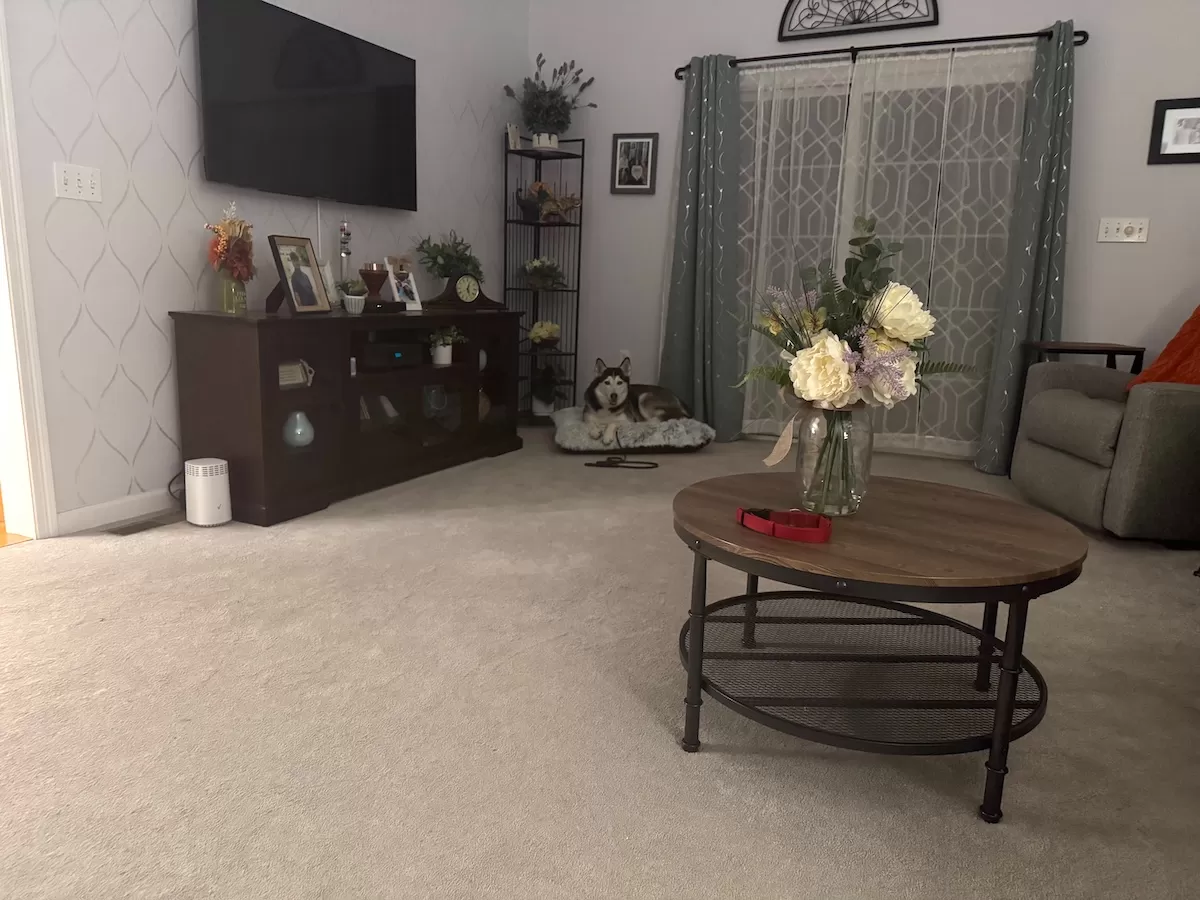
Every dog needs a reliable place to settle away from family activity. This may be a bed in a quiet corner, an open crate, or a separate room. The location matters less than the rule: when the dog goes there, children do not follow, touch, climb near, or try to lure the dog out.
A resting dog should be left alone. That includes a dog sleeping under the kitchen table, lying beside the couch, or resting in the hallway. Many bites happen when a child approaches a dog that is tired, startled, sick, or trying to avoid interaction.
Teach children a simple household standard: invite the dog to come to you, rather than going into the dog’s space. If the dog chooses not to come over, that is the end of the interaction. Children do not need to take it personally, and adults should not force affection because a dog is “usually good with the kids.”
The same rule applies to food, bones, toys, and stolen items. Children should never take something from a dog. If your dog has an item it should not have, an adult handles it calmly. Resource guarding can become dangerous quickly when a dog repeatedly feels it must defend valued items from approaching hands.
Watch What Your Dog Is Saying
Dogs rarely go from calm to biting without showing some level of discomfort first. Families who learn to read those signals can intervene while the situation is still easy to manage.
Look for a stiff body, freezing, hard staring, turning the head away, lip licking, yawning when not tired, showing the whites of the eyes, tucked posture, pinned ears, low growling, or moving away from the child. One signal does not always mean a dog will bite. Context matters. But repeated signals, especially around a particular child or situation, deserve immediate attention.
Do not make a dog endure attention because your child wants to pet it. Calmly call the child away, give the dog space, and look at what created the pressure. Was the dog cornered? Was the child leaning over it? Was there food nearby? Was the dog resting or recovering from a long day?
A dog that repeatedly avoids children is communicating a need for more distance. Respecting that need is not giving in to a behavioral problem. It is the starting point for building better associations and teaching calmer behavior.
Teach Children How to Interact Respectfully
Children need clear, consistent rules, stated in language they can understand. “Be nice” is too vague. Tell them exactly what respectful behavior looks like: use gentle hands, pet the shoulder or chest instead of reaching over the head, speak quietly, and stop when the dog walks away.
Children should not hug dogs, put their faces near a dog’s face, ride dogs, pull ears or tails, chase dogs, or disturb them while they eat, sleep, chew, or care for puppies. These behaviors may look harmless in a photo or video, but they place a child directly in the zone where a startled or overwhelmed dog can react.
It also helps to avoid turning the dog into entertainment. A child should not repeatedly command a dog to sit, down, spin, or come for the novelty of it. Commands should have meaning, and the adult should direct the interaction. A dog that understands expectations from calm adult leadership is less likely to become confused or overexcited.
With older children, involve them in structured routines such as having the dog settle on a bed while the family eats dinner or waiting calmly at the door before a walk. These moments teach respect without making the child responsible for training or managing the dog.
Control Movement, Resources, and Excitement
A peaceful home does not happen because everyone loves the dog. It happens because the dog understands how to live within the household. At Best Buddy Dog Training, this is part of the P.R.I.M.E. framework: Proximity, Resources, Interactions, Movement, and Elevation. Each area affects how a dog feels and behaves around people.
For families, movement is often the overlooked trigger. A dog may be calm when a child is sitting quietly, then begin chasing, barking, herding, jumping, or nipping when that child runs through the living room. Do not allow the rehearsal. Use a leash indoors when appropriate, guide the dog to its place, or separate the dog before active play starts.
Resources need structure as well. Feed dogs in a quiet area away from children. Pick up high-value chews when children are playing nearby. Give your dog time to enjoy a meal or chew without people passing close by. This is not because every dog is a guarder. It is because no dog should be repeatedly tested.
Excitement at greetings deserves the same attention. A dog that charges the door, jumps on visiting children, or races through the house when friends arrive is not simply being affectionate. That dog is struggling with impulse control. The answer is not to shout, scatter treats, or hope the dog grows out of it. The answer is to create a calm entry routine and consistently hold the dog accountable to it.
Do Not Put Children in Charge of the Dog
Even mature, dog-savvy children should not be responsible for correcting, walking, feeding around conflict, or breaking up a problem between dogs. Adults must lead. When a child is asked to manage a powerful, anxious, reactive, or excitable dog, the child is put in an unfair position and the dog receives unclear direction.
This becomes critical with adolescent dogs and large breeds. A dog that pulls hard on leash, jumps on guests, guards furniture, or reacts to other dogs needs adult handling and a real training plan. Good intentions do not create control in a crowded sidewalk, a busy park, or a home full of energetic children.
If your dog has growled, snapped, bitten, guarded food or furniture, chased children, or shown intense fear around them, stop treating the issue as a phase. Create immediate separation and get qualified professional help from an in-home dog trainer, or enroll your dog in a board-and-train program. Avoid trainers who promise to solve serious behavior with endless food lures, a quick group class, or an electronic collar. The goal is not to suppress behavior for a moment. It is to address the dog’s state of mind, establish clear boundaries, and build dependable cooperation in the environments where your family actually lives.
Build a Home Your Dog Can Handle
The strongest family dogs are not the ones constantly touched, excited, or tested by children. They are the dogs allowed to rest, given clear expectations, and guided by adults who recognize that safety and affection belong together.
Start with one change today: create a protected rest space, then make it a non-negotiable family rule. A dog that can quietly step away from the noise is a dog with a better chance to stay calm when family life gets loud.
Who you are to your dog is EVERYTHING
Shawn Hines
Dog Trainer, Best Buddy Dog Training
Comments
You must be logged in to leave a comment.
Log In Register