by Shawn Hines • • training tips
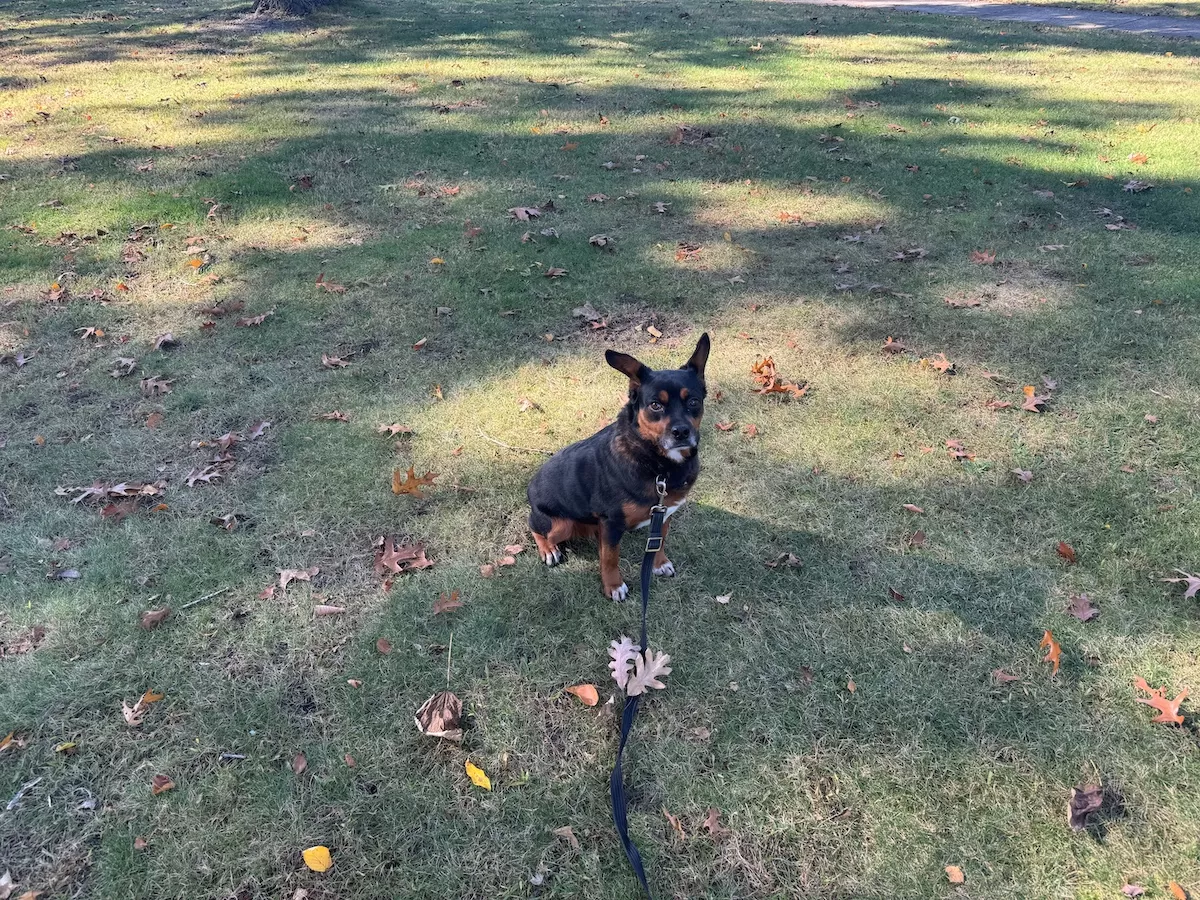
The first walk home with a rescue dog can feel like a fresh start. Then the doorbell rings, the leash tightens, the dog panics when you reach for a collar, or a quiet evening becomes hours of barking. Rescue dog training is not about making a dog forget the past. It is about giving that dog a clear, stable present - and giving your family a practical way to live peacefully together.
Many adopted dogs settle in quickly. Others arrive carrying uncertainty, poor habits, overstimulation, or a history no one can fully explain. Either way, the answer is not to let behavior slide because the dog has had a hard life. Pity without leadership often creates more anxiety, not less. A dog needs patience, certainly, but patience must come with structure, boundaries, and communication the dog can understand.
What Rescue Dog Training Must Address First
A rescue dog's behavior is information. Pulling on walks may be excitement, anxiety, or a pattern that has been rehearsed for years. Jumping may come from social over-arousal. Guarding food, furniture, or people may reflect insecurity, but it can still become dangerous if you excuse it rather than address it. The goal is not to label the dog as damaged or difficult. The goal is to identify what is happening in real life and change the pattern.
That starts with an honest look at the household. Is the dog greeted with excitement every time someone comes home? Does the dog have unrestricted access to beds, couches, doorways, food, and visitors before it has learned how to be calm? Does every pull on the leash still move the walk forward? Dogs repeat what works. If chaotic behavior gives them movement, attention, space, or control, the behavior is likely to continue.
The first weeks after adoption matter, but they should not be a free-for-all. A decompression period does not mean avoiding expectations. It means keeping life predictable while gradually teaching the dog how this home works. Calm entrances and exits, supervised interactions, a consistent daily rhythm, and clear resting spaces can do more for a newly adopted dog than a bag full of treats and a dozen conflicting commands.
Start With Trust, Then Add Accountability
Trust is often misunderstood in dog training. You don't build it by letting a dog make every decision or by bribing compliance with food. Trust grows when the dog learns that the people in the home are fair, consistent, and capable of leading through unfamiliar situations.
That means a rescue dog should not be pressured into greetings, crowded dog parks, or busy public spaces before it has the emotional balance to handle them. But avoiding every challenge forever is not kindness either. A dog that learns to retreat from every sound, stranger, or passing dog becomes more dependent on avoidance. Gradual exposure, proper distance, and clear direction teach the dog that it can remain composed while the world moves around it.
Training should also fit the dog in front of you. A social adult dog with weak house manners needs a different plan than a fearful dog that freezes near traffic. A high-drive adolescent who drags an owner down the sidewalk requires different work than a dog that guards the couch from children. This is why generic group-class advice often falls short for rescue dogs. The behavior happens in the home, at the front door, in the car, on neighborhood walks, and around the people the dog lives with every day.
A Rescue Dog Training Plan for Real Life
Reliable obedience begins with the moments owners often overlook. Before asking for an impressive heel or off-leash recall, establish calm behavior around ordinary resources and routines. At Best Buddy Dog Training, this is organized through the P.R.I.M.E. framework: Proximity, Resources, Interactions, Movement, and Elevation.
'Proximity' involves teaching the dog that it does not need to be underfoot or pressed against a person. A dog can be close without being needy or controlling. 'Resources' include food, toys, furniture, thresholds, and attention.
'Interactions' cover how family members, guests, and other dogs engage with the dog. Not every person needs to pet the dog, and not every dog needs a canine playdate. Many rescue dogs improve dramatically once their owners stop forcing social situations that create pressure. 'Movement' addresses the walk, chasing, pacing, and the dog's response to motion around the home. 'Elevation' considers beds, couches, stairs, and other spaces that can become points of conflict or over-attachment for certain dogs, as well as overall excitement levels.
None of these areas should be managed with treats, harsh corrections, or an electronic collar. A dog that performs only when it sees a treat has not learned dependable obedience. The same is true of equipment-driven compliance. If the equipment comes off and the behavior falls apart, the relationship and the training are incomplete.
Instead, teach commands in a way that translates to daily life. A solid 'place' command gives a dog a clear job when guests arrive or dinner is being prepared. A reliable recall is not practiced only in a quiet kitchen. It is built around distractions, with the dog learning that coming when called is non-negotiable and safe. Walking at heel is not a trick for the driveway. It is the ability to move through the neighborhood without dog pulling, scanning, lunging, or deciding where the walk goes.
Do Not Mistake Management for Progress
Crates, leashes, and carefully timed routines can be valuable tools. They prevent a dog from practicing unwanted behavior while training is underway. But management alone is not a solution. If your dog is calm only in a crate, quiet only when exhausted, or safe only when no visitors come over, the underlying behavior still needs work.
This is particularly true with reactivity, separation anxiety, and aggression. These problems deserve serious attention, not internet shortcuts. Flooding a fearful dog with exposure can make the problem worse. Repeatedly soothing a panicked dog can also keep the dog stuck. Owners should never wait for a bite or a major incident before seeking help. Early, skilled intervention protects the dog, the household, and everyone who encounters the dog.
Progress is usually visible in small but meaningful ways. The dog pauses before charging through the doorway. A walk becomes quieter. The dog settles on a place bed while children move through the room. A visitor can enter without a full-body explosion of barking and jumping. Those changes create a calmer home long before the dog is ready for advanced off-leash work.
Consistency Is What Makes the Change Last
The rescue dog does not need one family member who is excellent at training and three others who give in when the dog protests. Not everyone needs to handle the dog the same way, but the core rules must be consistent. If jumping is not allowed, it is not allowed when you are wearing work clothes and allowed when grandparents visit. If pulling does not move the walk forward, that standard holds on rushed weekday mornings too.
This is where busy families often need more than a lesson and a handout. They need a plan that works in their actual house, around their work schedules, children, visitors, and neighborhood. Private in-home training can reveal the triggers that a training facility never sees. For some dogs, an immersive board-and-train program provides the focused reset and daily repetition needed to establish a better foundation before owners take over with hands-on follow-up.
Your adopted dog does not need perfection from day one. It needs a family willing to replace confusion with clarity, chaos with routine, and sympathy with calm, confident leadership. Give the dog that foundation, and the quiet walk, the relaxed café patio, and the peaceful evening at home become realistic goals rather than wishful thinking.
Who you are to your dog is EVERYTHING
Shawn Hines
Dog Trainer, Best Buddy Dog Training
Comments
You must be logged in to leave a comment.
Log In Register