• training tips
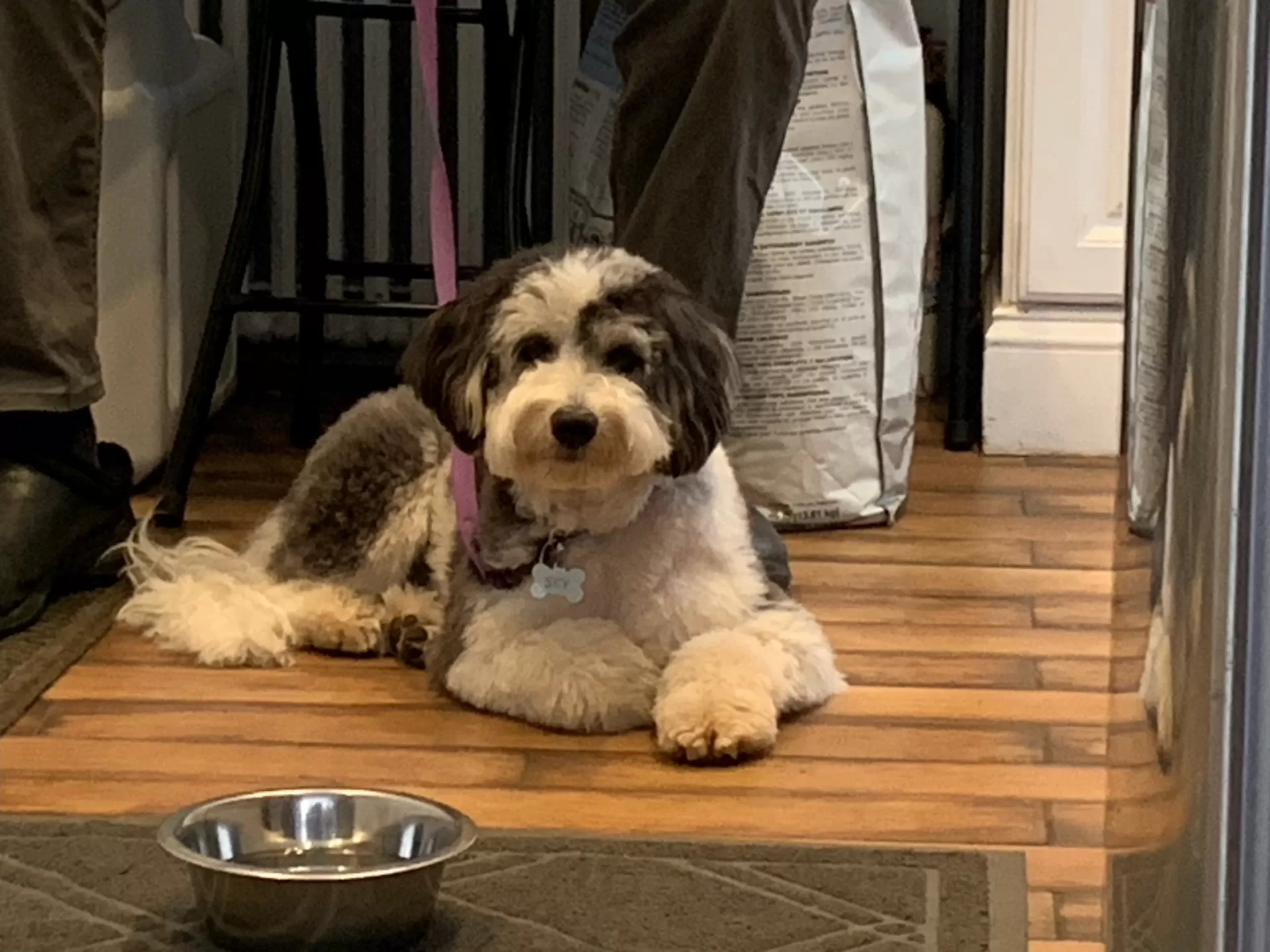
A puppy racing across the living room, launching onto visitors, or dragging a child toward every passing dog may look like normal puppy energy. It can also be the start of a habit. Puppy manners are not about making a young dog unusually quiet or robotic. They are about teaching your puppy how to live calmly and respectfully in a real family home.
The goal is practical: a dog that waits instead of rushing the door, settles while dinner is served, walks without pulling, and can greet people without turning every arrival into chaos. Those outcomes do not come from repeating “sit” for a treat ten times a day. They come from clear expectations, good timing, and consistent leadership in the moments that matter.
What Good Puppy Manners Actually Look Like
A well-mannered puppy is still playful, curious, and full of personality. Manners simply give that personality direction. Your puppy learns that excitement does not entitle them to jump, bark, bite hands, pull ahead, or demand attention.
At home, this often means a puppy can relax while the family moves around, respect thresholds, and respond when called without treating every interaction as a negotiation. Outside, it means walking with you rather than towing you, noticing distractions without losing all composure, and understanding that strangers and other dogs are not automatic invitations.
This is where many owners get misled. A puppy who will sit only when food is visible has learned a trick, not necessarily a reliable behavior. Treats can be useful during early learning, but they should not become the price of cooperation. Real obedience holds up when your hands are empty, a guest arrives unexpectedly, or a squirrel appears halfway through a walk.
Start Puppy Manners Before Bad Habits Feel Serious
Puppies do not need to be aggressive or out of control for a family to need training. In fact, waiting until adolescence is one of the most expensive mistakes owners make. The adorable jumping, mouthiness, door-rushing, and leash pulling that people excuse at 12 weeks can become exhausting at 12 months.
A growing puppy rehearses whatever works. If jumping gets attention, jumping becomes the greeting. If pulling reaches the next smell, pulling becomes the walking strategy. If barking makes people look over, barking gains value. The behavior does not need to be intentional or defiant to become ingrained. It only needs to be repeated.
Early training should not be frantic or overly complicated. It should be consistent. Your puppy needs a predictable structure that makes the right choices clear and makes inappropriate choices unproductive—even unpleasant. That is fairer to the dog than constantly correcting behavior after the fact.
Teach Calm at the Door
The front door creates some of the biggest problems in family homes. Puppies learn quickly that a door opening can mean people, dogs, walks, deliveries, and excitement. Without guidance, they start charging forward before anyone has a chance to react.
Make your puppy pause before going out or greeting someone at the entrance. Do not turn this into a long, tense standoff. Quietly block the rush, reset if necessary, and allow forward movement when the puppy is composed. The reward is access to what they want, not a cookie waved in front of their face.
This lesson carries into daily life. A puppy who learns to
Who you are to your dog is EVERYTHING
Shawn Hines
Dog Trainer, Best Buddy Dog Training
Comments
You must be logged in to leave a comment.
Log In Register