by Shawn Hines • • board-and-train
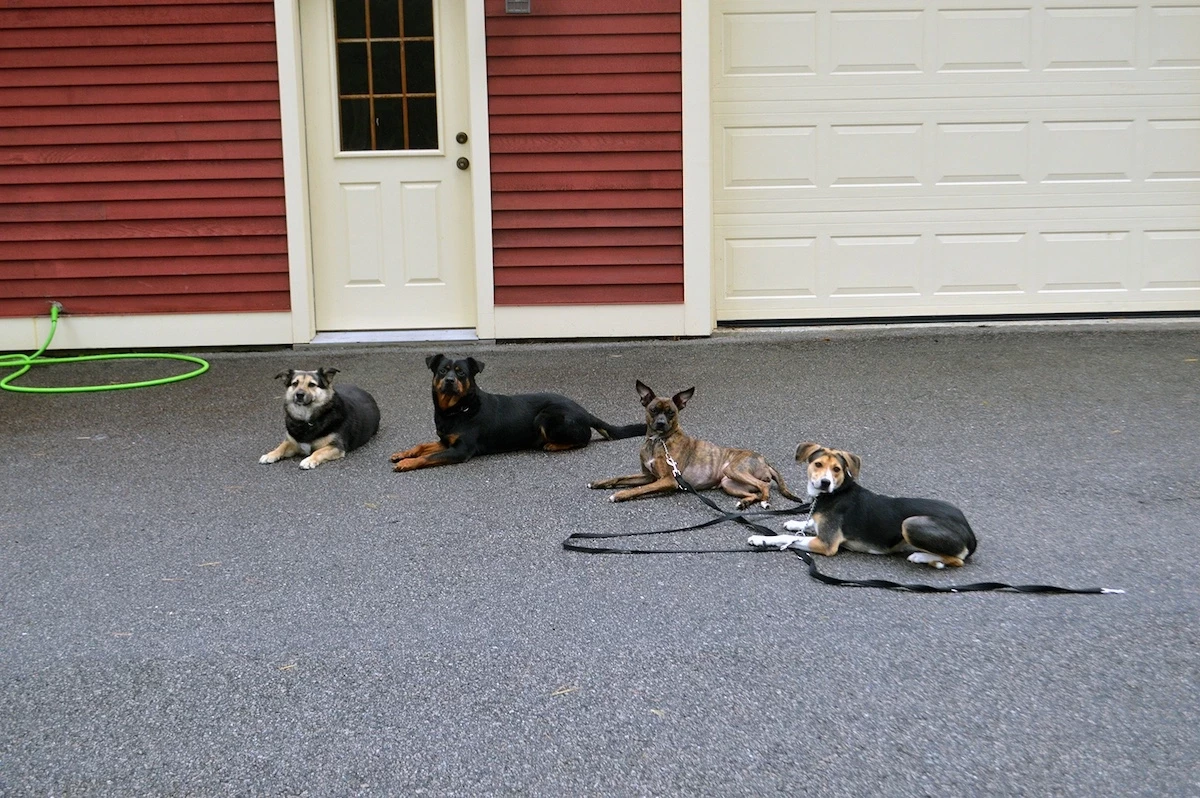
A dog who drags an adult down the sidewalk, explodes at the front window, or turns every visitor into a jumping target does not need another bag of treats or a command repeated louder. Your family needs a clear plan, consistent leadership, and training that holds up where life actually happens. A board-and-train dog program can create that momentum quickly, but only if it teaches more than obedience drills in a trainer's home.
The right program gives your dog concentrated, individualized instruction while removing the daily distractions that can slow progress. Just as important, it prepares you to continue the work when your dog comes home. Training is not a service you drop off and pick up like dry cleaning. It is a new way of living with your dog - calmer, clearer, and far more enjoyable.
What a Board-and-Train Dog Program Should Do
A residential program is not simply dog boarding with a few sit and stay sessions added in. It should be an immersive training experience led by someone who understands behavior, not just commands. During the stay, your dog learns how to settle, follow direction, respect boundaries, and make better choices around the everyday triggers that have been causing trouble.
For some dogs, the immediate goal is foundational obedience: coming when called, walking politely on leash, holding place, waiting at doors, and responding the first time. For others, the work is more serious. A reactive dog may need help developing emotional control around other dogs, people, traffic, or unfamiliar environments. A dog with separation-related distress, barking habits, resource guarding, or aggression needs a thoughtful plan that addresses the behavior beneath the outburst.
Real training is not about making a dog perform for treats in a quiet room. It is about producing a dog who can walk through a busy neighborhood without pulling, rest calmly while guests enter, and settle beside the family at a café or on the sidelines of a child's game.
Why Intensive Training Can Move Progress Faster
Dogs learn through repetition, timing, and consistency. In a busy household, even well-intentioned owners can struggle to provide all three. Work schedules, school pickups, children, visitors, and simple exhaustion make it hard to address every unwanted behavior at the right moment.
A board and train environment creates structure from morning through evening. The dog practices respectful movement through doorways, calm behavior around food and household activity, leash manners, rest, and appropriate social interaction. Rather than correcting the same problem once a week in a lesson, the trainer can guide the dog through it repeatedly until the new response becomes familiar.
That intensity is especially valuable for adolescent dogs who have rehearsed pulling, jumping, ignoring commands, and barking for months. The longer a behavior works for a dog, the more committed the dog becomes to using it. A focused reset can interrupt that pattern and establish expectations your household can maintain.
Still, speed is not the same as a shortcut. No ethical trainer should promise that a two- or three-week stay erases every behavior forever. Your dog's home environment, your routines, and your follow-through all matter after the program ends.
The Difference Between Compliance and Real Change
Many programs can show a dog sitting politely for a photo. That does not prove the dog is emotionally balanced, respectful, or reliable when a squirrel runs across the sidewalk. It also does not prove the owner can manage the dog after pickup.
At Best Buddy Dog Training, the focus is on relationship-based obedience built through trust, respect, structure, and clear communication. The P.R.I.M.E. framework - Proximity, Resources, Interactions, Movement, and Elevation - looks at the daily patterns that shape behavior. A dog's choices are influenced by more than formal commands. They are influenced by who controls space, how attention is given, what behavior gains access to valuable resources, and whether the dog is constantly allowed to take charge of movement in the home.
This matters because anxious, pushy, reactive, or overexcited behavior often shows up long before a leash is clipped on. A dog that controls every greeting, charges every doorway, demands attention on command, and cannot settle indoors is practicing an unhealthy state of mind all day. Training should address those patterns, not merely manage the final explosion.
Food should not become a negotiation. If your dog listens only when you have a pouch in your hand, you do not have dependable obedience. Likewise, equipment should never be the centerpiece of a training plan. A dog should learn to respond because the communication is fair, consistent, and meaningful - not because a tool is doing the work for the handler.
Is Board-and-Train the Best Fit for Your Dog?
A residential program can be a strong choice for busy professionals, families juggling full schedules, new puppy owners who want to begin correctly, and households dealing with serious behavior problems. It is particularly useful when daily life has become tense: walks are avoided, guests create chaos, children feel nervous around the dog, or one person has become the only one capable of handling the leash.
It may be less appropriate if you expect to hand off all responsibility permanently. Dogs do not automatically understand that the rules in a trainer's home apply in your kitchen, on your street, or around your relatives. The best programs include a detailed transition process, follow-up instruction, and direct coaching for the people who live with the dog.
Your dog's temperament also matters. Some dogs need a slower, more private introduction to new settings. Dogs with significant fear, reactivity, or aggression require careful assessment before any program begins. A credible trainer will ask direct questions about bite history, triggers, medical concerns, household members, and your goals. Be cautious of anyone who offers a standard package before understanding the dog in front of them.
What Should Happen When Your Dog Comes Home?
The handoff is where a program proves its value. You should leave with more than a well-trained dog and a few impressive videos. You need to understand how to give direction, how to enforce boundaries calmly, when to reward good choices, and what to do when your dog tests the new rules.
Expect to practice practical situations, not just a sequence of commands. That may include entering and exiting the house, walking past distractions, greeting visitors, settling on a designated place, handling mealtimes, and responding when your dog becomes overstimulated. Every adult in the home should know the expectations. If one person permits jumping and another corrects it, the dog receives mixed information.
The first several weeks at home are a transition period. Keep routines simple and predictable. Do not immediately test your dog at the busiest park, invite a house full of guests, or abandon structure because the dog seems improved. Give the new habits time to become part of normal life.
Follow-up support is not an optional extra. It is how training moves from a controlled setting into your real household. A trainer should be available to answer questions, adjust the plan when needed, and help you handle the moments that never occurred during the residential stay.
Questions to Ask Before Choosing a Program
Before you place your dog in anyone's care, ask who will be doing the training each day and where your dog will live during the program. Ask how the trainer handles reactivity, fear, and aggression. Ask what the daily schedule looks like, how dogs are supervised, and how much individual work your dog receives.
You should also ask what happens after pickup. Are there private follow-up sessions? Will the trainer teach your family the same communication system used during the program? Can they explain how they measure progress beyond a dog performing a few commands on camera?
Pay attention to the answers. Vague promises of a "completely transformed dog" are easy to sell. Clear explanations of structure, safety, owner coaching, and realistic expectations are far more valuable. Training changes a dog's habits, but lasting success comes from changing the relationship and routine around those habits.
A peaceful life with your dog is not reserved for people with unlimited time or naturally easy dogs. With the right intensive program and honest follow-through at home, the walk you dread can become a calm part of the day, and your dog can become the companion your family has been waiting for.
Who you are to your dog is EVERYTHING
Shawn Hines
Dog Trainer, Best Buddy Dog Training
Comments
You must be logged in to leave a comment.
Log In Register