• training tips
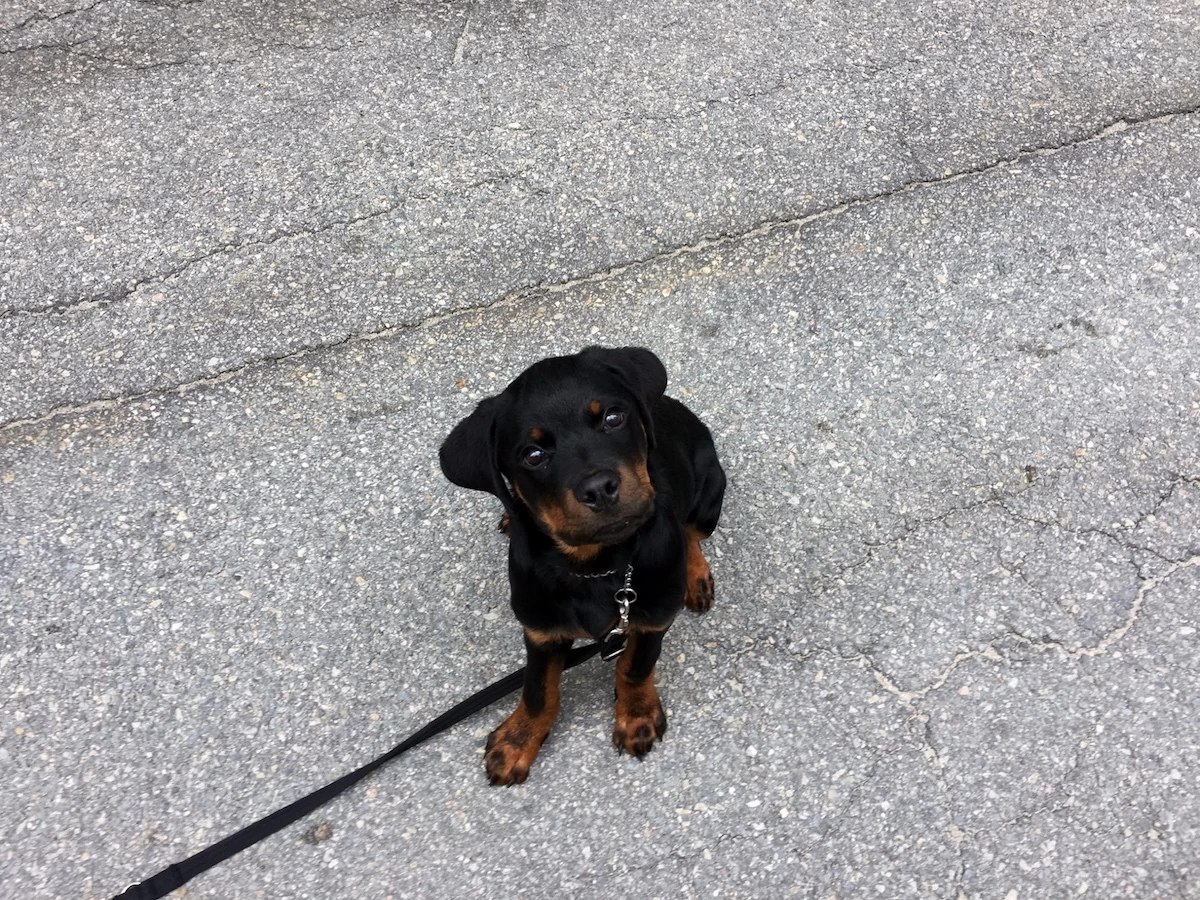
Your puppy does not need a house full of treats, a drawer full of gadgets, or hours of chaotic puppy play to become a good family dog. Puppy training needs a plan. The habits your dog rehearses at eight, twelve, or sixteen weeks old can become the behavior you live with for years - pulling you down the sidewalk, barking at every visitor, jumping on the kids, or settling quietly beside your chair.
The goal is not a puppy who performs for food in the kitchen. The goal is a dog who can relax in the home, walk politely through a busy neighborhood, greet people appropriately, and listen when life gets distracting. That takes more than teaching a few commands. It takes leadership, consistency, and a relationship your puppy can trust.
Puppy Training Starts With the Life You Want
Many owners wait until a puppy is older to address behavior because the problems seem small. A little jumping is cute. A little leash pulling feels manageable. A little barking at the window seems normal. Then the puppy grows, gains confidence, and learns that these choices work.
Start with the adult dog in mind. If you want your dog to rest calmly while your family eats dinner, that expectation begins now. If you want a dog that walks at your side instead of dragging you toward every squirrel, do not let the puppy rehearse pulling for six months. If you want guests to be greeted without chaos, teach calm entry routines before your puppy decides that every knock at the door is an invitation to explode.
This does not mean expecting adult-level discipline from a young puppy. Puppies need sleep, play, exploration, and patience. It does mean that freedom should be earned in stages. A puppy given unlimited access to the house, furniture, food, visitors, and outdoor distractions usually creates his own rules. Families are then left trying to undo behavior that could have been prevented.
Housebreaking Is a Routine, Not a Guessing Game
Housebreaking problems are rarely about a puppy being stubborn or spiteful. More often, the schedule is unclear, supervision is inconsistent, or the puppy has too much space too soon.
Take your puppy out after waking, eating, drinking heavily, playing, and any period of confinement. Go to the same appropriate area, give the puppy enough time to finish, and calmly bring him back inside. When you cannot actively supervise, use a properly sized crate or a controlled puppy area. This is not punishment. It prevents accidents from becoming a familiar pattern.
Avoid wandering around the house while half-watching the puppy. That is how accidents happen behind a couch or in a spare bedroom, and each accident teaches the wrong lesson. If an accident occurs, clean it thoroughly and review the routine. Scolding after the fact only creates confusion and can teach a puppy to hide when he needs to go.
A reliable housebreaking process is simple, but it requires accountability from the humans. Your puppy cannot follow a schedule that changes every day.
Build Calm Before You Build Commands
Owners often focus on sit, down, and paw because they are easy to show friends. Those commands have value, but they do not solve the behavior that makes daily life stressful. A dog can sit perfectly for a treat and still be frantic at the front door, frantic on leash, and unable to settle when guests arrive.
Teach your puppy that calm behavior opens doors. Before meals, walks, greetings, play, and access to the yard, ask for a moment of composure. The puppy does not need to be frozen in place. He simply needs to stop demanding, rushing, and escalating.
This is where timing matters. Do not reward frantic behavior by immediately giving the puppy what he wants. Wait for a calmer moment, then provide access. Over time, your puppy learns an important rule: self-control works better than excitement.
At Best Buddy Dog Training, this kind of everyday structure is part of the P.R.I.M.E. framework: Proximity, Resources, Interactions, Movement, and Elevation. In practical terms, it means paying attention to who controls space, food, affection, walks, play, and access to elevated furniture. None of these elements need to become a power struggle. They are daily opportunities to communicate clearly and build respectful habits.
Socialization Is Not Letting Everyone Meet Your Puppy
A well-socialized puppy is not necessarily the puppy who has greeted one hundred strangers or played with every dog at the park. Overexposure can create a dog that expects access to every person, dog, sound, and movement in the environment. When that access is denied, frustration often follows.
Better socialization teaches neutrality. Your puppy should see bicycles, children, delivery trucks, other dogs, busy sidewalks, visitors, and new places without believing that each one is a major event. Let your puppy observe at a distance where he can remain composed. Reward calm engagement with you through praise, movement, or access to something appropriate.
Choose playmates carefully. One rough or overwhelming interaction can make a sensitive puppy wary; repeated wild play can teach an energetic puppy to become more demanding and physical. Good socialization is controlled exposure, not a free-for-all.
The leash is a communication tool
Do not wait until your puppy is large enough to pull you down the street before teaching leash manners. Begin with short, purposeful walks in low-distraction settings. Keep the leash from becoming constantly tight. If your puppy surges ahead, changes direction, or hits the end of the leash, calmly interrupt the forward progress and reset.
There is no need for an electronic collar to teach a puppy how to walk with you, and there is no advantage in bribing every step with food. Treats can be useful in limited moments, especially for early exposure or confidence-building, but they should not become the only reason your dog listens. Your puppy should learn to follow because your direction is clear and the relationship has meaning.
Create Boundaries Without Creating Fear
Humane training is not permissive training. Puppies need to hear no, be corrected, and experience reasonable consequences when they make poor choices. The delivery matters. Clear corrections should be calm, immediate, and proportionate - never angry, delayed, or intimidating.
If your puppy bites hands during play, end the interaction instead of turning it into a wrestling match. If he jumps on people, prevent the greeting until he is composed. If he steals household items, calmly take control of the space and provide an appropriate alternative. Repeated yelling, chasing, and emotional reactions often add excitement to the very behavior you want to stop.
The trade-off is that boundaries require follow-through. It is easier in the moment to let the puppy jump, pull, or demand attention. It is harder later when those behaviors are fully rehearsed. Consistency now gives your family more freedom later.
Practice Obedience Where It Counts
A command is only as useful as your puppy's ability to follow it outside the room where it was taught. Start in a quiet area, then gradually practice around normal household activity, in the yard, on walks, and around carefully managed distractions.
Recall deserves special attention. Never repeatedly call your puppy if you know he is unlikely to come, then allow him to ignore you. Use a long line in a safe space, call once, guide him if necessary, and make coming to you a calm, positive routine. Do not call your puppy only to end fun. Call, reconnect, release, and let him return to appropriate exploration. This builds reliability without turning recall into a trap.
Off-leash freedom is earned, not assumed. A young puppy may appear naturally close because he is uncertain or dependent. Adolescence changes that. Reliable freedom comes from proofing obedience over time, not from hoping your dog will choose correctly when a rabbit runs across the trail.
When to Get Professional Help
Do not wait for a puppy to become an adolescent with established anxiety, fear, resource guarding, leash reactivity, or destructive behavior. Early professional guidance can make a significant difference, especially when a household has children, multiple dogs, demanding work schedules, or conflicting opinions about training.
Private training is particularly valuable because the real issues usually happen at home: at the front door, around the kitchen table, during walks on your street, or when the family is trying to settle down at night. A personalized plan can account for your puppy's temperament and your household's actual routines rather than forcing both into a generic class format.
Your puppy will make mistakes. So will you. What matters is whether the home responds with calm direction, fair boundaries, and steady follow-through. Give your puppy that clarity now, and the quiet walk, relaxed café visit, and peaceful evening at home become far more realistic than they may seem during the chewing, barking, and sleepless early weeks.
Who you are to your dog is EVERYTHING
Shawn Hines
Dog Trainer, Best Buddy Dog Training
Comments
You must be logged in to leave a comment.
Log In Register