• training tips
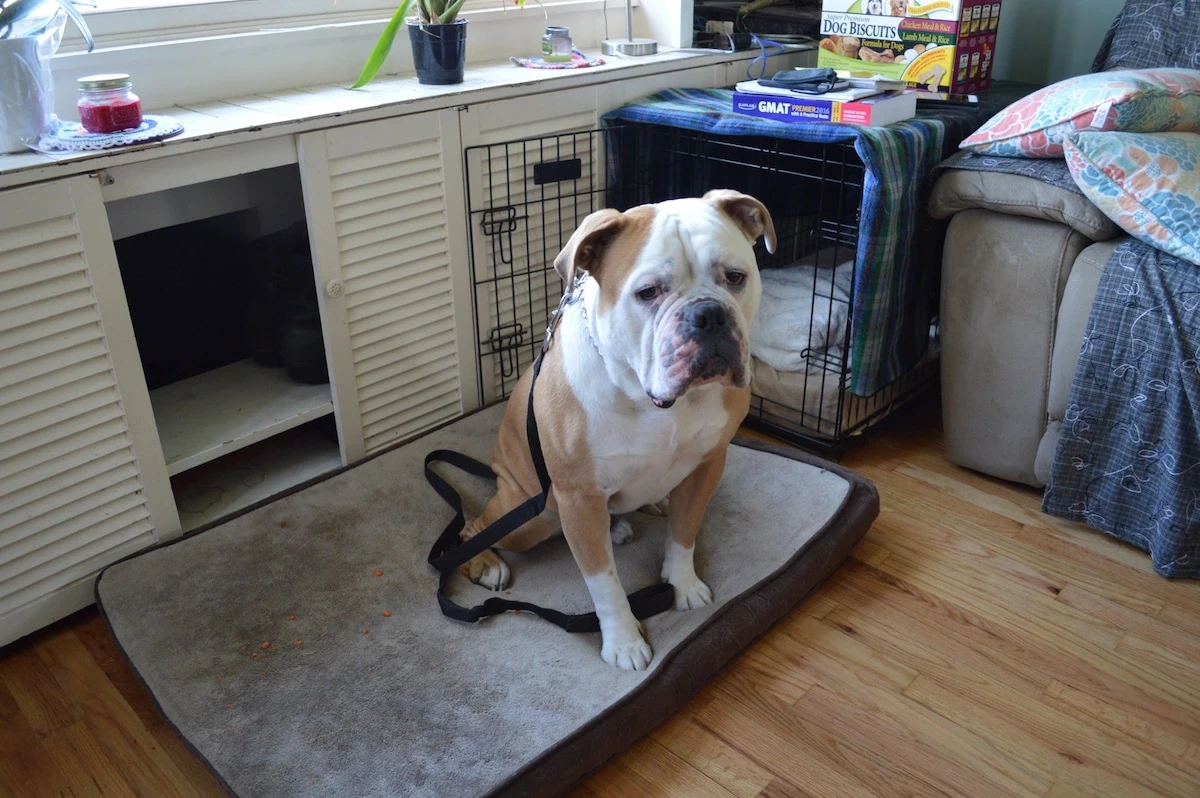
A dog that launches at the front door is not being friendly in a way that should be excused. He is rehearsing a behavior that can knock over a child, scare a guest, snag clothing, or turn every arrival into a loud negotiation. **Dog jumping training at home** is not about teaching your dog to perform a brief sit while a treat is held over his head. It is about changing what your dog believes happens when people enter your space.
The goal is simple: your dog should be calm, grounded, and responsive whether a family member comes home with groceries or a guest arrives for dinner. That requires more than a command. It requires leadership, structure, and consistent follow-through from everyone in the household.
Why Dogs Keep Jumping on People
Jumping works because it has paid off. A dog jumps, a person talks, touches, laughs, pushes him down, or even says his name sharply. From the dog's perspective, all of that can be interaction. The behavior becomes especially persistent when the dog receives mixed messages: ignored one day, hugged the next, then corrected only after he has already made contact.
Excitement is part of the picture, but it is not the entire story. Many dogs jump because they have too much freedom around entrances, visitors, furniture, and family movement. They race to the door, claim the first interaction, and set the emotional tone of the room. A dog who is allowed to control those moments is unlikely to suddenly choose restraint because someone says, "Off."
Puppies often begin jumping because it is cute and easy to forgive. Adolescent dogs continue because they are stronger, faster, and more demanding. Adult dogs may jump from habit, anxiety, overarousal, or a lack of clear boundaries. The solution should fit the dog in front of you, but the standard remains the same: four paws belong on the floor unless you have deliberately invited something else.
Dog Jumping Training at Home Starts Before the Door Opens
Most owners wait until their dog is already airborne. By then, they are reacting to chaos instead of preventing it. Productive training starts with the moments that lead up to a greeting.
Begin by controlling access to the front door. Before you answer it, before a family member walks in, and before a guest is brought inside, your dog should be away from the threshold and able to settle. For some dogs, that means being placed on a bed or behind a gate at first. For others, it means holding a calm position several feet from the entry. This is not punishment or isolation. It is a chance for the dog to practice emotional control rather than frantic anticipation.
Do not repeatedly chant "sit" while your dog vibrates with excitement. A sitting dog can still be mentally chaotic and ready to spring. Ask for a calm, stable position, then wait. If your dog breaks position, guide him back quietly and repeat the exercise. Your tone should be matter-of-fact, not pleading and not angry.
This is where treat-led plans fall apart. Food may temporarily hold a dog's attention, but it does not automatically teach him how to handle the real pressure of someone opening a door, carrying a bag, greeting a child, or stepping into the kitchen. Your dog needs to understand the expectation even when your hands are empty.
Build the Greeting in Stages
Start with the easiest version of the problem. Practice family arrivals before involving visitors who may not follow instructions. One person steps outside for a minute, returns, and enters only when the dog is calm enough to remain grounded. If the dog rushes forward or jumps, the person calmly exits or pauses the greeting. The dog loses access to the interaction he was trying to create.
Once your dog can handle that repetition, add more realistic movement. Have the person carry keys, a bag, or a package. Open and close the door. Speak in a normal voice. Dogs do not learn reliable behavior in a perfectly staged drill alone. They learn when the same expectation holds as life becomes more distracting.
When visitors arrive, give them a job: ignore the dog. No eye contact, excited chatter, reaching down, or "It's okay, I love dogs" speeches while your dog is bouncing off their knees. A well-meaning guest can undo a week of practice in ten seconds. You are not being rude by managing the greeting. You are protecting the training and making the visit safer for everyone.
Use Structure, Not Constant Corrections
A dog should not need to be corrected twenty times in one greeting. If that is happening, the setup is too difficult or the rules are unclear. Use management to prevent repeated failures while you teach the behavior you want.
A leash can help during early practice, but it should not become a tool for dragging your dog away after he jumps. Keep it loose when possible, use it to limit access, and guide your dog back to the appropriate place before the behavior escalates. If your dog is physically powerful, reactive, or likely to redirect when frustrated, get professional help rather than turning every doorway into a wrestling match.
At Best Buddy Dog Training, this work is viewed through P.R.I.M.E.: Proximity, Resources, Interactions, Movement, and Elevation. Jumping often exposes problems in several of those areas. Your dog may be crowding people in close proximity, demanding interactions, reacting to household movement, or treating elevated spaces like furniture as part of a larger pattern of entitlement. Addressing only the jump can create a temporary fix. Addressing the pattern creates a calmer dog at the door, on the couch, on walks, and around the family.
That does not mean your dog must live under rigid control every hour of the day. It means privileges should follow cooperation. A dog who can remain calm, respect space, and respond when called can enjoy far more freedom than a dog who turns every interaction into a contest.
What to Do in the Exact Moment Your Dog Jumps
If your dog jumps despite your setup, do not reward it with a dramatic response. Avoid squealing, kneeing, shoving, or playing a game of hand-fighting. Those reactions often add energy and attention to an already overexcited dog.
Instead, remove the opportunity. The handler should say "no" and quickly send the dog back to his designated space, wait for composure, and try again. The key is timing. The dog needs to connect jumping with disapproval and the loss of access and calm behavior with the return of social opportunity.
Be patient, but do not be vague. If you allow one enthusiastic leap because "he's just happy," your dog learns that intensity sometimes works. Consistency is not harsh. It is fair. Dogs settle faster when the answer is predictable.
Avoid These Common Mistakes
Do not ask guests to reward the dog. Do not give a command you cannot enforce and then repeat it five times. Do not rely on a baby gate forever while never teaching the dog what calm behavior looks like when the gate is open.
Also avoid trying to exhaust the behavior away. Exercise matters, particularly for young and energetic dogs, but a tired dog without boundaries can still jump. A long walk may lower the volume, yet it does not teach manners. Physical outlet and obedience should work together.
Make Calm a Daily Habit
Front-door practice should not be the only time your dog hears the word "place" or is expected to respect space. Ask for calm before meals, before going outside, before getting on furniture if that is a privilege in your home, and before greeting family members. Short repetitions throughout the day carry more value than one exhausting training session on the weekend.
Children need clear rules too. They should not run through the house encouraging the dog to chase and jump, then expect him to switch off when company arrives. Adults set the structure, but everyone can support it. Calm greetings, calm departures, and calm play create a household your dog can understand.
For dogs with separation anxiety, severe reactivity, fear of visitors, or aggression, jumping may be only the visible part of a deeper issue. Those dogs need an individualized plan. Trying random online techniques can increase frustration and risk, especially when guests are involved.
The standard worth aiming for is not a dog who behaves only when a pocket is full of treats. It is a dog who can hear the doorbell, look to you for direction, and remain composed while life continues around him. That kind of calm changes more than greetings. It gives your family a home that feels peaceful again.
Who you are to your dog is EVERYTHING
Shawn Hines
Dog Trainer, Best Buddy Dog Training
Comments
You must be logged in to leave a comment.
Log In Register