• training tips
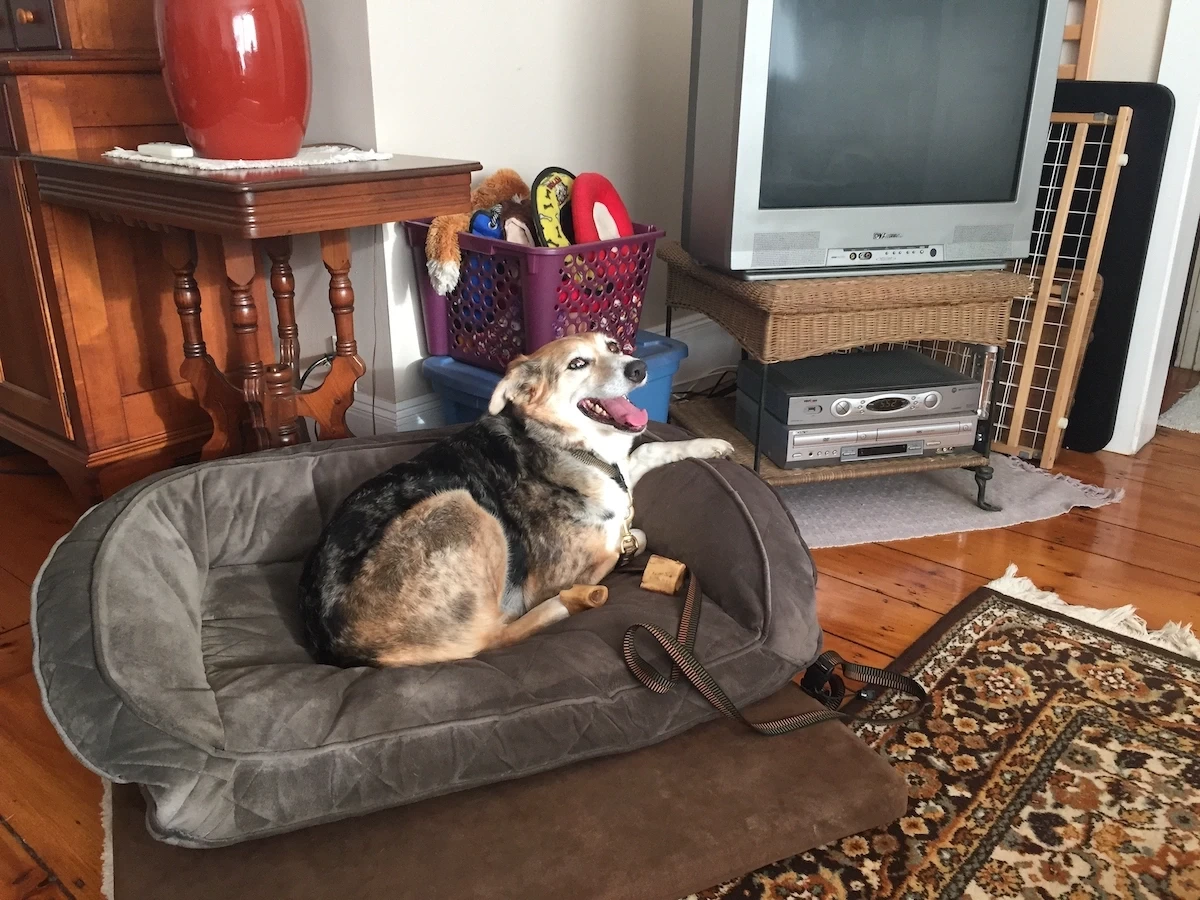
The leash goes tight before you have reached the end of the driveway. Your dog spots another dog, visitor, bicycle, or squirrel, and the walk becomes a negotiation you lose before breakfast. At home, the same dog may jump on guests, bark at every sound, ignore recall, or pace when left alone. Adult dog obedience isn't about teaching a dog to sit for a snack in the kitchen. It is about restoring calm, cooperation, and trust where your family actually lives.
Many owners assume they missed their chance because their dog is no longer a puppy. That is simply not true. Adult dogs can learn new patterns, shed unhelpful habits, and become dependable companions. The work does require more than a handful of commands. It requires clear leadership, consistent household structure, and training that addresses why the behavior keeps happening.
Why Adult Dog Obedience Often Feels Harder
An adult dog arrives with a history. Some have rehearsed pulling for years and have learned that pressure on the leash gets them where they want to go. Others have discovered that barking sends strangers away, jumping earns attention, or that refusing to come back keeps the fun going. These are not signs of a bad dog. They are practiced behaviors that have worked for the dog.
That is why simply repeating "sit" louder or carrying better treats never solves the real problem. Food can be useful in the right moment, especially when introducing a new skill, but it should not become the price of every response. If your dog listens only when they see a treat, the dog is responding to the treat, not to you.
The same issue appears with equipment-based shortcuts. A tool may suppress a behavior temporarily without teaching the dog how to settle, follow direction, or make better choices around distraction. When the equipment comes off, the old behavior often returns. Lasting obedience comes from a relationship in which the dog understands boundaries, respects direction, and feels secure in your leadership.
Adult Dog Obedience Starts Before the Command
The strongest training does not begin with a long drill session. It begins in ordinary moments: getting out of the crate, greeting family members, waiting at the door, receiving meals, settling in the living room, and walking through the neighborhood. These small interactions tell a dog whether they are expected to make the decisions or follow calm direction.
At Best Buddy Dog Training, this is organized through the P.R.I.M.E. framework: Proximity, Resources, Interactions, Movement, and Elevation. In practical terms, it means looking honestly at the routines that shape behavior throughout the day.
Proximity is about where your dog spends time and whether they can settle calmly near you without demanding constant contact. Resources include food, toys, doorways, furniture, and outdoor access. Interactions cover how family members respond to nudging, barking, jumping, or pushy attention-seeking. Movement addresses the walk, transitions, and whether a dog can follow instead of drag. Elevation considers whether furniture access supports calm behavior or reinforces a dog that already struggles with boundaries.
None of this means your dog cannot enjoy affection, play, or a comfortable place to rest. It means those privileges should support a balanced relationship, not reward demanding behavior. The goal is not control for its own sake. The goal is a dog that can relax because someone else is reliably handling the decisions.
What Reliable Obedience Looks Like at Home
A well-trained adult dog does not need to be rigid or robotic. They can be affectionate, playful, and full of personality. The difference is that their energy does not run the household.
Reliable obedience means your dog can hold a place while dinner is prepared, wait politely when someone enters, and come when called without deciding whether the request is worth their time. It means a walk is no longer a shoulder-pulling contest. It means you can answer the front door without bracing for a collision, and you can take your dog to a park, patio, or family gathering without spending the entire outing managing chaos.
For some dogs, basic obedience is the immediate goal. For others, obedience is the foundation for addressing reactivity, anxiety, resource guarding, or aggression. A dog that cannot disengage from a trigger, follow direction, or settle after excitement is not ready for more freedom. Training must match the dog in front of you, not follow a generic class curriculum.
The Commands Matter, but Follow-Through Matters More
Place, heel, come, down, and stay are valuable commands because they give your dog a clear job. But a command has little value if it works only in a quiet room, only once, or only when you are holding food.
A dependable response is built in layers. First, the dog learns the expectation clearly. Then you practice the expectation with increasing distractions: family movement, visitors, other dogs, sidewalks, parks, and the situations that usually trigger poor choices. Finally, the dog learns that direction still applies when the environment becomes more exciting.
This process is not about overwhelming a dog. Pushing an anxious or reactive dog too quickly can make the problem worse. It is about thoughtful exposure, fair expectations, and consistent follow-through. The pace depends on the dog's temperament, history, and the household's skill level.
The Household Has to Train Too
A trainer can create major change, but no dog lives with the trainer forever. The long-term result depends on whether the family can maintain the standards that produced the change.
This is where many group classes fall short. A dog may learn an exercise in a busy room once a week, while the owner returns home to the same unstructured routines that created the issue. Private in-home training allows the work to happen where the behavior is real: at your front door, on your street, around your children, with your daily schedule and your specific challenges.
Consistency does not mean every family member has to use identical words in identical tones all day. It means everyone needs to agree on the rules. If one person allows jumping, another rewards barking with attention, and a third tries to correct the dog after the fact, the dog receives mixed information. Confusion creates inconsistency, and inconsistency keeps unwanted behavior alive.
Start with a few non-negotiables your whole household can follow. Perhaps the dog waits at doors, settles on place during meals, and walks without pulling. Once those habits are stable, you can build from there. Trying to fix ten behaviors at once often creates frustration for people and dogs alike.
When an Intensive Program Makes Sense
Some owners have the time and confidence to practice daily under private guidance. Others are dealing with serious leash reactivity, aggression concerns, a demanding work schedule, or a dog whose behavior has become unsafe or exhausting. In those cases, an immersive board-and-train program can give the dog a focused reset and provide the owner with a stronger starting point.
But board-and-train is not magic. No responsible trainer should suggest that a dog will return home permanently trained while the household changes nothing. The value of an intensive program is concentrated, skilled practice followed by transfer sessions that teach the family how to maintain the behavior. Without owner involvement, even excellent training can fade.
The right option depends on urgency, the dog's behavior, your home environment, and how much hands-on support you need. A young adult dog that pulls and jumps may thrive with private lessons. A dog that explodes at every trigger or has a history of biting needs a more careful assessment and a plan built around safety, structure, and gradual progress.
Stop Waiting for Your Dog to "Grow Out of It"
Some adult dogs do become calmer with age. Many do not. Rehearsed behaviors usually become more established when they are repeated day after day. The dog that pulls gets stronger. The dog that barks at the window becomes faster to react. The dog that ignores recall gains more confidence in ignoring it.
That does not mean your dog is beyond help. It means the solution should be deliberate. Avoid chasing internet tricks, rotating through treats, or accepting a temporary improvement as a finished result. Look for training that can explain the plan, demonstrate the work around real distractions, and show you how to lead your dog after the sessions end.
A calmer home does not begin when your dog becomes a different dog. It begins when your dog finally has clear direction, meaningful practice, and a family prepared to follow through.
Who you are to your dog is EVERYTHING
Shawn Hines
Dog Trainer, Best Buddy Dog Training
Comments
You must be logged in to leave a comment.
Log In Register