• training tips
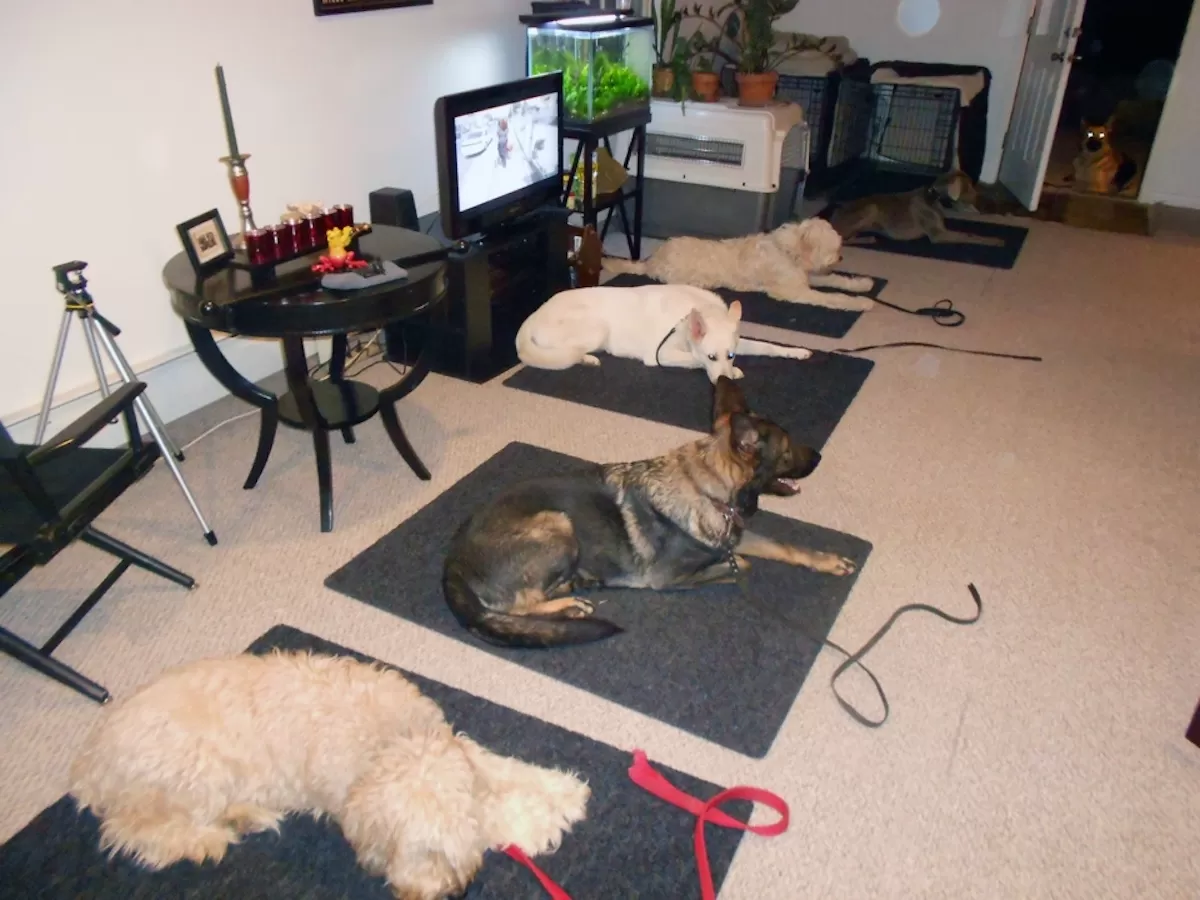
A dog who listens only when a treat is visible is not truly trained. A dog who behaves only because a device is on is not emotionally settled, either. The best dog training methods create something more useful: a dog who understands the household rules, respects guidance, and can stay calm whether you are walking through a busy neighborhood, greeting guests at the door, or relaxing at a café.
That standard matters because obedience is not a trick performance. It is the ability to live comfortably with your dog in the real world. For busy families, that means fewer arguments at the front door, calmer sidewalks, safer interactions with visitors, and the freedom to include the dog in everyday life.
Why Dog Training Methods Produce Different Results
Every training approach makes a promise. Some promise fast results with food. Others promise control through electronic collars or specialized equipment. Still others lean heavily on theory while leaving owners unsure what to do when their dog starts pulling, barking, lunging, or ignoring them in the moment.
The problem is not that dogs cannot learn from food, praise, tools, or repetition. They can. The problem is relying on any one of those things as the entire system. If a dog needs a pocket full of treats to walk past another dog, the behavior has not been fully transferred into daily life. If a dog only responds when a particular collar is present, the collar has become the handler.
Lasting obedience requires communication the dog can understand without constant bargaining. It also requires the owner to become a calm, credible leader rather than a frustrated negotiator. That does not mean intimidation, harsh corrections, or forcing a dog through fear. It means setting boundaries clearly, following through consistently, and giving the dog an organized life that does not leave him responsible for every decision.
The Limits of Treat-First Training
Treats can be useful in the earliest stages of teaching a new behavior, especially with a young puppy. The trouble begins when food becomes the reason the dog complies. Many owners have experienced it: the dog sits beautifully in the kitchen but ignores the same command outside, when guests arrive, or when a squirrel crosses the sidewalk.
That is not stubbornness. It is often a training plan that never moved beyond a lure. A dog should eventually respond because the cue is clear, the expectation is familiar, and cooperation has become part of the relationship. Praise and rewards can remain part of life, but they should not be a paycheck required for every command.
Why Equipment Cannot Replace Leadership
Equipment can manage a dog temporarily, but it does not automatically teach emotional control. A leash, harness, crate, or training collar may have a place when used responsibly, yet none of them solves the core issue if the dog is anxious, overexcited, reactive, or accustomed to controlling the home.
An electronic collar may suppress a behavior quickly, but suppression is not the same as understanding. A dog that stops barking because he is startled or uncomfortable may still feel the same stress underneath. For dogs with anxiety, reactivity, or aggression, ignoring that emotional picture can make the behavior less predictable rather than more resolved.
A Relationship-Based Method Builds Better Habits
A capable dog needs more than commands. He needs a predictable relationship with his family. That means knowing when to settle, how to move through doorways, what is expected on leash, and when people will take charge of a situation.
At Best Buddy Dog Training, this work is organized through the P.R.I.M.E. framework: Proximity, Resources, Interactions, Movement, and Elevation. These are not abstract concepts. They are the daily moments that show a dog who is making decisions in the household.
Proximity and Resources
Proximity is about where the dog is positioned in relation to people. A dog constantly pushing ahead, crowding family members, or demanding contact is often rehearsing impulsive behavior. Calmly directing where the dog settles, walks, and waits teaches patience without creating conflict.
Resources include food, toys, furniture, access to people, and access to the outside world. This does not mean withholding affection or making a dog earn every meal in a rigid way. It means that valued things come through calm behavior and cooperation, not barking, jumping, pawing, or rushing.
Interactions, Movement, and Elevation
Interactions are the everyday exchanges that either reinforce good manners or reward unwanted behavior. If a dog jumps on guests and receives excited attention, jumping has worked. If barking at the window leads to everyone rushing over, barking has gained social power. Families need a different routine, one that rewards calmness with access and attention.
Movement matters because many difficult dogs are allowed to drag people through doors, pull them down sidewalks, and dictate the pace of every outing. A structured walk is not about marching a dog like a soldier. It is about teaching the dog to follow guidance, remain aware of the handler, and stay composed around distractions.
Elevation refers to the physical spaces a dog occupies, including beds, couches, stairs, and other high-value resting areas. Furniture is not automatically a problem. The question is whether access is calm and invited or whether the dog guards space, refuses to move, or uses elevation to control activity in the home. Context matters, and a personalized plan matters even more.
What Reliable Obedience Looks Like in Daily Life
A well-trained puppy learns housebreaking routines, settles in a crate or designated space, and begins to understand that jumping and biting do not create attention. Training should start before bad habits become the dog's normal response to excitement, frustration, or uncertainty.
For an adolescent or adult dog, the work may begin with restoring order to a chaotic routine. The owner may need help with leash pulling, door charging, excessive barking, separation anxiety, reactivity, or aggression. These concerns should not be treated as isolated commands. A dog who explodes at other dogs on walks may also be practicing over-arousal at home, ignoring boundaries around resources, and making decisions without guidance.
Reliable obedience also travels. A dog should be able to walk politely past distractions, hold a place command while visitors enter, come when called, and settle when activity slows down. Off-leash freedom, when appropriate for the dog and environment, is earned through proofed recall and consistent responsiveness. It is never something to gamble on because a dog performed well once in the backyard.
How to Evaluate a Training Plan
Look past slogans and ask what happens after the first few sessions. Will the trainer assess your dog's temperament, triggers, routines, and home environment? Will you learn how to maintain the work, or will the dog perform only for the trainer? Will the plan address behavior at the source instead of simply covering it up?
A strong program should be specific about the outcome. "We will build confidence" sounds pleasant, but what will change at your front door, on the sidewalk, or when the doorbell rings? You should understand the household rules, the daily practice required, and how progress will be measured.
Be wary of one-size-fits-all solutions. A soft, distracted puppy needs a different approach than a powerful adult dog who has practiced lunging for two years. A dog with separation anxiety needs different support than a dog who is bored and demanding. Good training is not casual guesswork, and it should not force every dog into the same script.
When Private Training Makes Sense
Private in-home training is especially valuable when the problem happens at home. A dog who guards the couch, barks at windows, rushes the front door, or becomes chaotic around children needs training in the environment where those patterns occur. The trainer can see the real triggers and coach the family through the exact moments that need to change.
For more intensive needs, a board-and-train program can establish new habits in a structured setting before the owner learns how to carry them into daily life. The handoff matters. No program is complete if the dog returns home and the household returns to the same confusing routines. Follow-up coaching is where a trained dog becomes a trained family.
If your dog's behavior is making daily life smaller, do not wait for another embarrassing walk or stressful visit. Clear structure, patient follow-through, and the right guidance can make room again for the calm companion you wanted to enjoy.
Who you are to your dog is EVERYTHING
Shawn Hines
Dog Trainer, Best Buddy Dog Training
Comments
You must be logged in to leave a comment.
Log In Register