• training tips
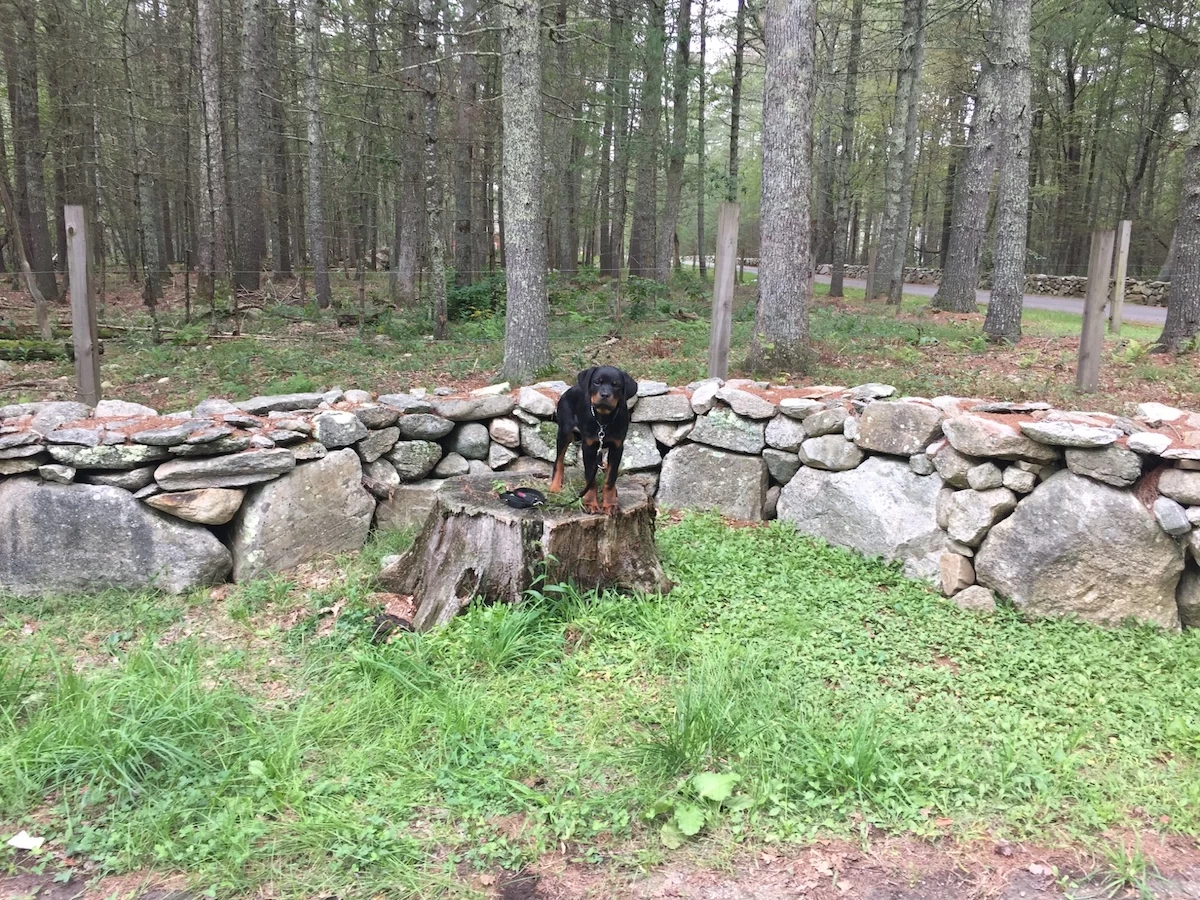
A treat can get a dog to sit in your kitchen. The real question is whether that dog will sit when a skateboard passes, a guest comes through the door, or another dog appears halfway down the sidewalk. Dog training without treats is not about withholding rewards or making training joyless. It is about building obedience that holds up when food is not in your hand.
For families dealing with pulling, jumping, barking, reactivity, or a dog that seems to hear commands only when snacks appear, this distinction matters. Your dog should respond because they understand what is expected, feel secure in your direction, and trust your leadership. That is how calm behavior becomes part of daily life rather than a performance purchased one bite at a time.
Why Treats Can Become a Training Crutch
Food has a place in a dog's life. It can help create a positive first impression, mark a small success, or motivate a young puppy during an early lesson. The problem begins when food becomes the only language the dog understands.
Many owners accidentally teach a pattern: command first, treat visible second, compliance only when the payment looks worthwhile. Soon, the dog scans your hand before deciding whether "come," "heel," or "place" applies. At home, that may feel manageable. Outside, where squirrels, visitors, traffic, and other dogs offer far more exciting rewards, the treat loses its value.
This is especially frustrating with adolescent dogs. They may know the command perfectly in a quiet room yet ignore it when life becomes stimulating. The issue is not always that the dog is stubborn or that the owner needs better treats. Often, the dog has learned that obedience is optional unless a reward is presented.
Treat-dependent training also leaves the owner working too hard. You should not have to carry a pocket full of food to enjoy a quiet café patio, answer your front door without chaos, or walk past another dog without being dragged into the street.
What Dog Training Without Treats Actually Means
Training without treats does not mean training without reinforcement. Dogs are always learning from consequences, access, attention, movement, space, and the structure of the household. The difference is that these rewards are connected to real life, not to a constant food transaction.
A dog who walks politely earns the chance to keep moving. A dog who waits calmly at the door gets to go outside. A dog who settles on their place while guests arrive gets to remain part of the family activity. A dog who comes when called earns connection, praise, and freedom under appropriate conditions. These are meaningful outcomes because they fit the moment.
The goal is not to dominate a dog or suppress their personality. It is to make expectations clear and consistent. Dogs are most relaxed when they do not have to negotiate every doorway, visitor, leash walk, couch invitation, or burst of excitement. Clear boundaries reduce conflict because the dog learns what works.
At Best Buddy Dog Training, this relationship-centered work is organized through the P.R.I.M.E. framework: Proximity, Resources, Interactions, Movement, and Elevation. These everyday areas reveal how a dog experiences the household. They also give owners practical opportunities to replace confusion and overexcitement with calm cooperation.
Start With Communication, Not Commands
A command is only useful when it has a clear meaning. Repeating "come, come, come" while your dog continues sniffing teaches them that the first several requests do not matter. Saying "off" while laughing, petting, or allowing the dog to jump again teaches mixed signals.
Begin by choosing simple, consistent words and following through calmly. Give the cue once. Give the dog a fair moment to respond. If they do not, guide them to the correct choice with the least amount of pressure necessary, then release the pressure when they comply. The release is part of the communication. It tells the dog they found the right answer.
Your tone should be steady, not angry or pleading. Dogs notice hesitation. A calm, matter-of-fact direction is more effective than a stream of frustrated commands. If your dog is too aroused to listen, lower the difficulty instead of escalating the emotion. Create distance from the distraction, slow the situation down, and ask for a manageable behavior.
Teach Calm Before You Demand Control
A dog bouncing off the walls cannot learn much. Before practicing a long down-stay or a focused heel, address the energy that is fueling the problem. Structured movement, rest, controlled greetings, and quiet time on a designated place can help a dog shift from frantic to receptive.
This does not mean exhausting your dog until they are too tired to misbehave. High-energy exercise without structure can create an even fitter, more intense dog. The aim is emotional balance: a dog that can move when asked, stop when asked, and settle when nothing is happening.
For a puppy, that may mean short sessions of waiting at doorways, calmly wearing a leash indoors, and resting after play. For a reactive adult dog, it may mean learning to disengage from triggers at a distance before attempting a busy sidewalk. The plan depends on the dog in front of you.
Use Everyday Privileges as Reinforcement
The strongest training is woven into normal life. Rather than staging ten-minute sessions that end when the treats run out, use the moments your dog already cares about.
Before meals, ask for a calm sit or place. Before clipping on the leash, wait for stillness. Before opening the front door, ask the dog to hold position until released. If your dog wants attention, give it when they approach politely rather than when they paw, bark, or climb on you.
These moments are not petty rules. They teach impulse control and show the dog that calm choices open doors, literally and figuratively. They also make the whole family part of the training plan. When adults and children follow the same standards, the dog receives one clear message instead of competing instructions.
Be careful not to turn every interaction into a drill. Dogs need affection, play, and downtime. The point is not to make them earn every scrap of love. The point is to stop rewarding behavior that makes life difficult while consistently recognizing the behavior you want more of.
Why Structure Matters for Behavior Problems
Treats rarely solve the reason behind serious behavior. A dog who lunges at other dogs may be fearful, overstimulated, frustrated, or accustomed to taking control of the walk. A dog with separation-related distress may need a carefully built plan that addresses departures, routines, independence, and emotional regulation. An aggressive dog needs skilled assessment and direct management, not a handful of chicken near a dangerous trigger.
That does not make food-based techniques automatically wrong. In some cases, food can be useful as one piece of behavior modification, particularly when changing an emotional association at a safe distance. But it cannot replace accountability, timing, management, and a training plan tailored to the dog's history and household.
Serious issues also require realistic expectations. There is no responsible promise that every reactive dog will become a dog-park dog, and not every anxious dog will be ready for a crowded restaurant. Success may look like passing dogs calmly across the street, relaxing behind a gate during visitors, or taking a quiet walk through the neighborhood without an explosion. Those changes are life-changing because they give the family more peace and the dog more stability.
Build Reliability in the Real World
A dog does not truly know a behavior because they performed it five times in the living room. Reliability comes from gradually practicing around real distractions without setting the dog up to fail.
Start where your dog can succeed. Then add one challenge at a time: a new room, a longer duration, more distance, a mild distraction, or a different family member handling the leash. If behavior falls apart, do not label the dog disobedient. The step may simply be too large. Reduce the difficulty, regain clarity, and build again.
This process is where many quick-fix methods collapse. A dog may be lured into position, but luring is not the same as understanding. Your dog needs to learn how to make a good choice even when the environment is interesting and your hands are empty.
The reward for that effort is freedom. It is the ability to walk through your neighborhood with a loose leash, welcome guests without a circus at the door, and trust your dog to respond when it counts. Start with one calm, consistent interaction today. Your dog does not need another bribe. They need you to show them the way forward.
Who you are to your dog is EVERYTHING
Shawn Hines
Dog Trainer, Best Buddy Dog Training
Comments
You must be logged in to leave a comment.
Log In Register